
Article content
Technology policy researchers say Canada’s alignment with a United States-led pro-innovation and artificial intelligence blueprint at the Group of 20 meeting last week is unlikely to help thaw their trade dispute and Ottawa will continue to face growing U.S. pressure to follow its stance on technology policy.
Sign In or Create an Account
or View more offersArticle content
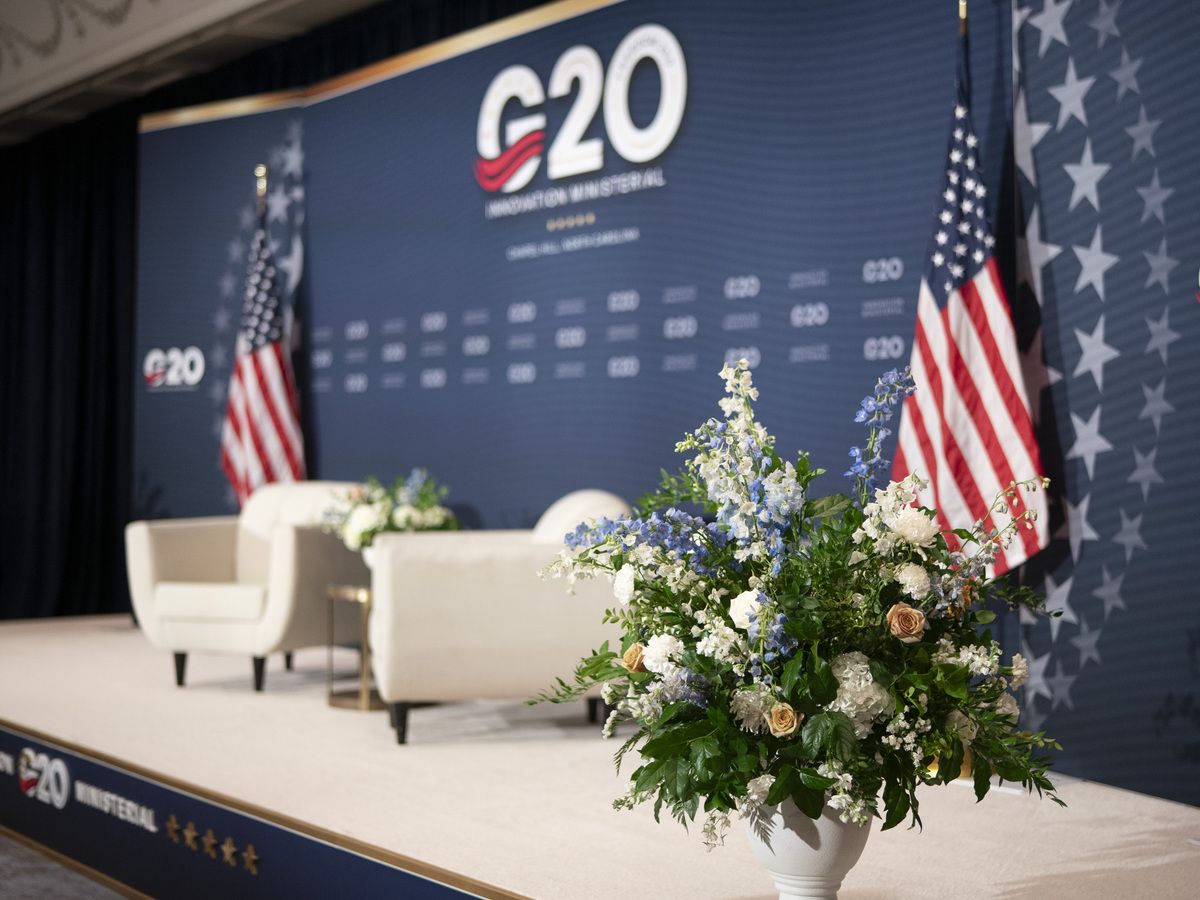
G20 member nations agreed to adopt the Carolina Principles for Emerging Technologies proposed by the U.S., which champion a light-touch approach to regulating AI and emerging technologies, at the G20 innovation and technology summit in Chapel Hill, N.C.
Article contentWe apologize, but this video has failed to load.Try refreshing your browser, or
tap here to see other videos from our team.We apologize, but this video has failed to load.Try refreshing your browser, or
tap here to see other videos from our team.Article content
Story continues below
This advertisement has not loaded yet, but your article continues below.
Article content
The broad guidelines endorse accelerating the development and adoption of AI and emerging technology and reducing “unnecessary barriers” on innovation by expediting approval processes and providing regulatory exemptions in select cases. It also asks countries to “consider the opportunity cost” of delaying AI adoption.
Article contentArticle content
AI and Digital Innovation Minister Evan Solomon said Canada supports pro-innovation mechanisms that remove unnecessary barriers while upholding Canadian sovereignty to act where needed to protect its citizens.
Article content
“We are open to (AI’s) extraordinary opportunities and candid about the risks,” he said.
Article content
The G20 agreement to adopt the non-binding framework shows most countries view AI as a technology that requires time and fewer constraints to mature, said Daniel Araya, a senior fellow at the Centre for International Governance Innovation (CIGI) who is focused on AI and technology policy.
Article content
“There was mutual self-interest to sign on (and) it gives everyone a bit of freedom to do what they want,” he said, adding that Canada’s decision is unlikely to help smooth friction or move the needle on trade talks between Ottawa and Washington.
Article content
Story continues below
This advertisement has not loaded yet, but your article continues below.
Article content
Jaxson Khan, a senior fellow on AI at the University of Toronto and chief executive of consultant Aperture AI, said the bigger question is whether the alignment pulls Canada closer to a U.S.-led technology bloc.
Article contentRead More
- Canadian companies form coalition to push Ottawa to invest in sovereign drone supply chain
- Ottawa pumps $195 million into quantum manufacturing by Xanadu
- Story continues belowThis advertisement has not loaded yet, but your article continues below.
Article content
“The principles read like a first step in that direction without pinning us down,” he said.
Article content
At the same time, Canada will continue to face growing U.S. pressure to conform to its regulatory stance and worldview on AI and tech, one that the country sees as a zero-sum game and advocates for U.S. tech domination, said Michael Karanicolas, the James S. Palmer chair in public policy and law at Dalhousie University in Halifax and a former director of the University of California, Los Angeles’s Institute for Technology, Law and Policy.
Article content
“The broader American posture since Trump’s re-election has explicitly aimed at advancing America’s economic interests at the expense of its partners and allies,” he said.
Article content
Karanicolas said this larger U.S. effort to push for regulatory alignment and for countries to “pick a side” is concerning for Canadian digital sovereignty, which requires diversifying Canada’s dependence away from the U.S., including technology.