
Article content
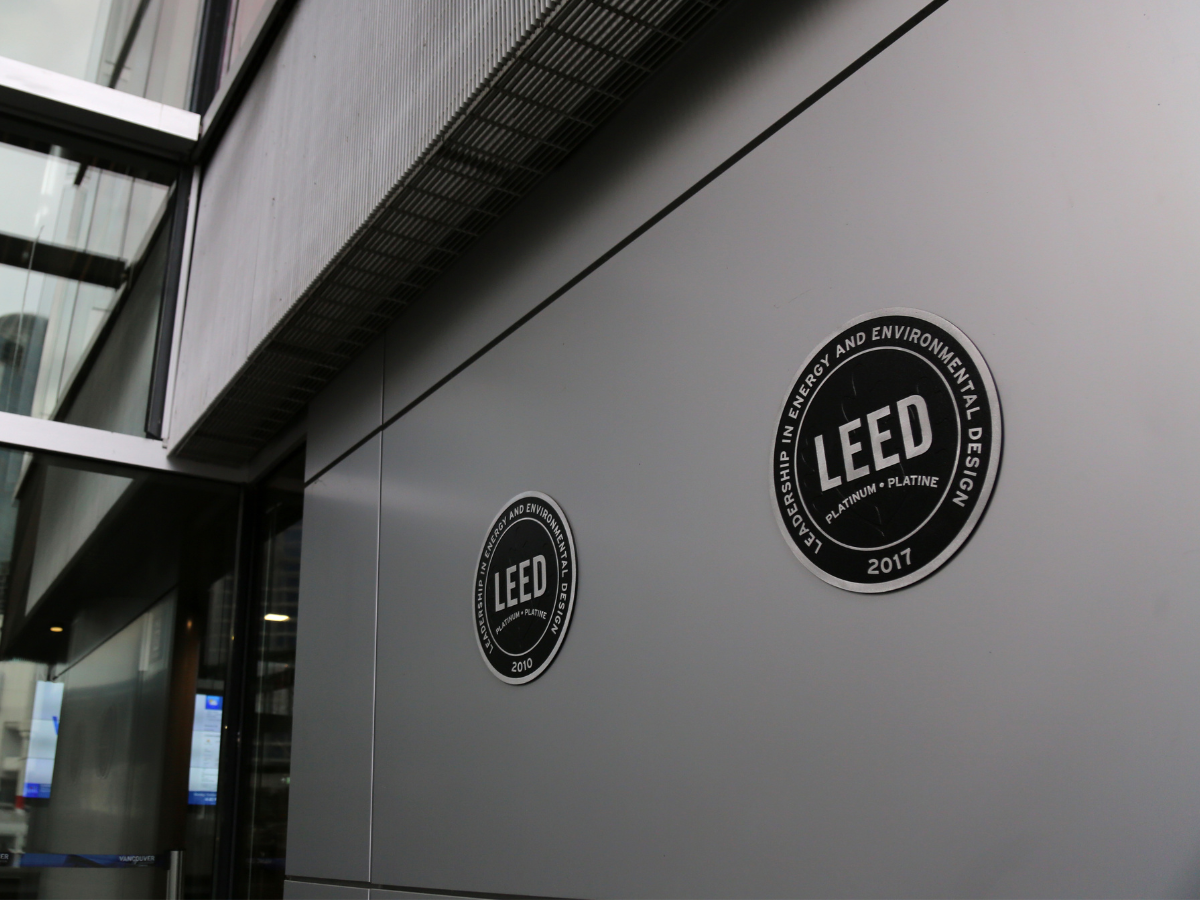
Saanich, B.C., desperately needs a new fire hall. In 2019, city council approved a $26-million replacement for its aging Fire Station #2, set to open in 2023. But because the city requires that all public buildings reach a “LEED” Gold or Platinum standard of environmental efficiency, the station was to be built using trendy mass timber construction. (LEED stands for “Leadership in Energy and Environmental Design.”) Five years later, ground had yet to be broken and the project was plagued by rapidly rising costs.
Sign In or Create an Account
or View more offersArticle content
Story continues below
This advertisement has not loaded yet, but your article continues below.
Article content
Switching to conventional concrete and steel construction offered a chance to keep the project close to its budget and timeline, a 2023 staff report revealed. But abandoning the wooden design meant “the project has the potential to not achieve LEED Platinum or even Gold.” Faced with the loss of their coveted LEED designation, Saanich city council decided to up the budget by more than 70 per cent, to $44.6 million. It may be the most expensive firehall ever constructed in Canada. And it’s still not open, running more than three years behind schedule.
Article contentWe apologize, but this video has failed to load.Try refreshing your browser, or
tap here to see other videos from our team.We apologize, but this video has failed to load.Try refreshing your browser, or
tap here to see other videos from our team.Article contentArticle content
What went wrong in Saanich? Part of the problem lies in the fanaticism of architects, builders and politicians in worshipping at the green altar of LEED. It is a false god.
Article content
LEED was created in the late 1990s by the U.S. Green Building Council (USGBC) as a way to promote energy-efficient construction techniques. To receive a LEED plaque, a building must earn points for various environmental attributes. Over time, these points have expanded beyond high-efficiency furnaces and triple-glazed windows to include a variety of clearly political objectives, such as the promotion of electric cars, public transit and “social health and equity.”
Article content
Story continues below
This advertisement has not loaded yet, but your article continues below.
Article content
Since it first appeared in Canada in 2003, LEED certification has become the sine qua non of Canadian public infrastructure. The glory to be found in unveiling a LEED plaque is what lies behind the determination of Saanich city council to press on with its wooden firehall despite delays and rising costs. LEED Gold is clearly more precious than taxpayer money.
Article contentRead More
- B.C.’s construction sector adding up the costs of Canada-U.S. trade war
- Why the slow rollout of a federal tax credit is feeding anxiety in Canada’s clean-tech sector
- Story continues belowThis advertisement has not loaded yet, but your article continues below.
Article content
So it may come as a surprise to its adherents that LEED status is no guarantee of green performance. Certification is awarded before construction and is based on modelling projections. As they say, actual results may vary.
Article content
A 2009 study by the National Research Council of Canada found LEED status was often irrelevant to observed building performance, given that “28-35 per cent of LEED buildings used more energy than their conventional counterparts.” (Emphasis added.) A 2020 report commissioned by B.C. Housing and the University of Victoria examined 10 social-housing projects certified LEED Gold. Only two met or exceeded their modelled results. “The other eight consumed between 22.1 per cent and 281.7 per cent more energy than models predicted,” the report found. Despite such worrisome performance misses, the allure of a shiny LEED plaque is often too much for virtue-signalling politicians to resist. And this often leads designers to make decisions based solely on the pursuit of LEED points. Leak-prone green roofs are a common result of this tendency.