
Article content
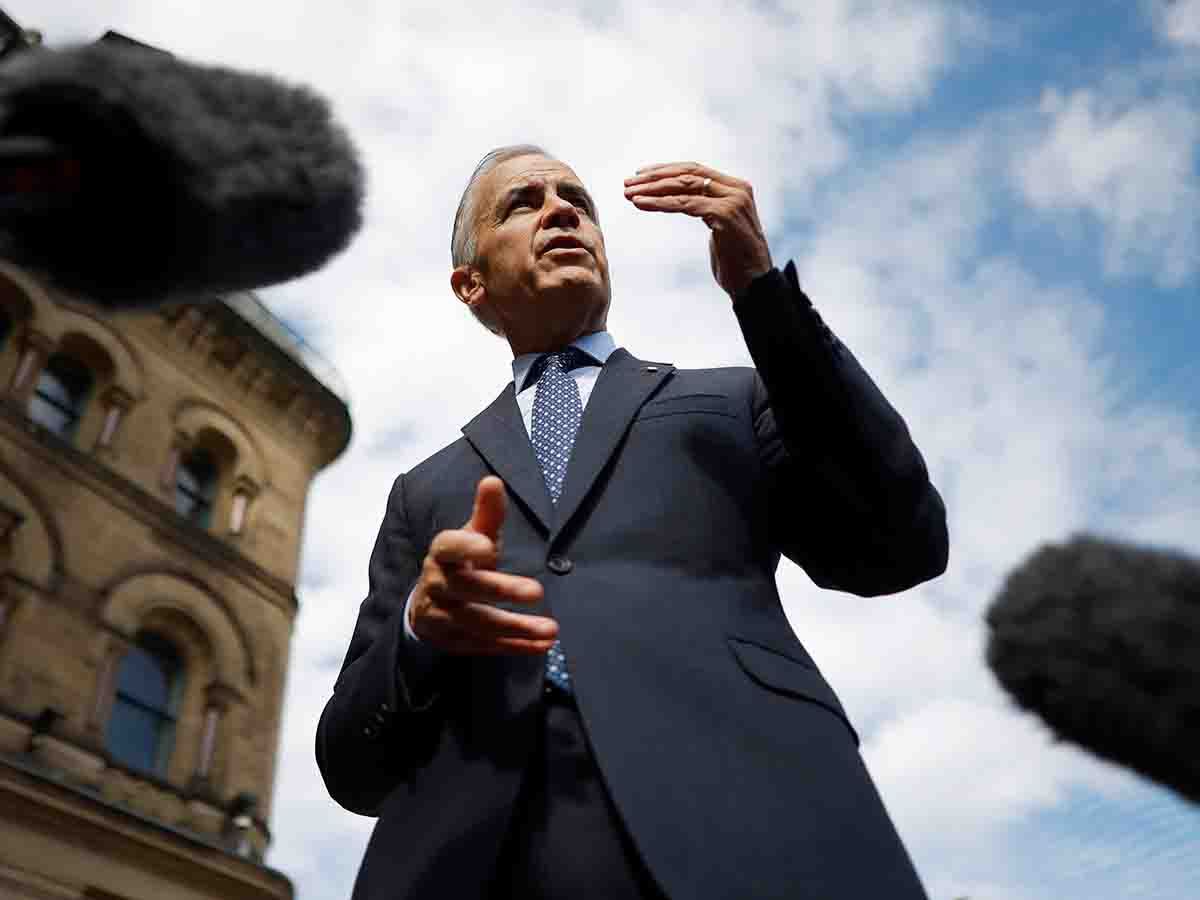
Prime Minister Mark Carney hopes to attract billions of dollars from large global institutional investors at the Canada Investment Summit next week, but his government will have to remedy a situation in which some fund managers find their most sought-after assets — including energy and transportation — hardest to invest in at scale, according to the research arm of Canada’s largest pension fund.
Sign In or Create an Account
or View more offersArticle content
Story continues below
This advertisement has not loaded yet, but your article continues below.
Article content
CPP Investments Insights Institute, housed within the Canadian Pension Plan Investment Board, a co-host of the summit, based its conclusions on input from 65 global institutional investors in 20 countries managing about US$47 trillion and it laid out a playbook for the Canadian government in a pair of reports published Tuesday.
Article contentWe apologize, but this video has failed to load.Try refreshing your browser, or
tap here to see other videos from our team.We apologize, but this video has failed to load.Try refreshing your browser, or
tap here to see other videos from our team.Article contentArticle content
“Global capital is looking for opportunity, but opportunity alone does not make a market investible,” Naomi Powell, director of the institute, said. “Trust and predictable rules build confidence, but capital ultimately moves to opportunities with sufficient scale, profitable structures and a credible path to execution.”
Article content
Canada is vying for large funds’ global allocations against a field that includes Japan, the United Kingdom and Germany, and it often loses out when fund managers weigh factors such as scale, regulatory fragmentation and a track record of policy reversals.
Article content
“Investors are prepared to price commercial risk. They are far less willing to accept uncertainty that cannot be measured or allocated,” the report said. “Weak risk-adjusted returns, policy reversal, regulatory fragmentation and insufficient scale consistently emerge as the principal reasons capital fails to deploy.”
Article content
Story continues below
This advertisement has not loaded yet, but your article continues below.
Article content
Market opportunity is the main driver of allocation, but the report said Japan, which has commitments for governance reform, improving capital discipline and attractive valuations, stands out when it comes to being selected by the largest global allocators and U.S.-based asset managers.
Article contentRead More
- Carney is serious about privatizing airports, Australian pension executive says
- Carney investment summit attracts global asset manager backed by Australian super pensions
- Story continues belowThis advertisement has not loaded yet, but your article continues below.
Article content
Canada fared better with smaller institutions and investors already familiar with the country that are committed to retaining or growing their allocation.
Article content
The research said global investors value Canada’s political stability, regulatory predictability and openness to long-term capital, according to the research, and see opportunity in the same sectors that will shape the global economy as the government does: energy, infrastructure, critical minerals, digital systems and artificial intelligence.
Article content
However, institutional investors that manage US$200 billion to more than US$500 billion — comparable in size to Canada’s largest Maple 8 pensions funds — rank Canada lower than smaller funds when it comes to “investibility” for a variety of reasons.
Article content
“Among investors attracted to Canadian energy, 59 per cent cite risk-return considerations, alongside policy-reversal risk, regulatory fragmentation and scale or liquidity constraints” as barriers, the report said. “These factors most often discourage large-scale capital investment across developed markets among investors attracted to Canadian energy.”