
Article content
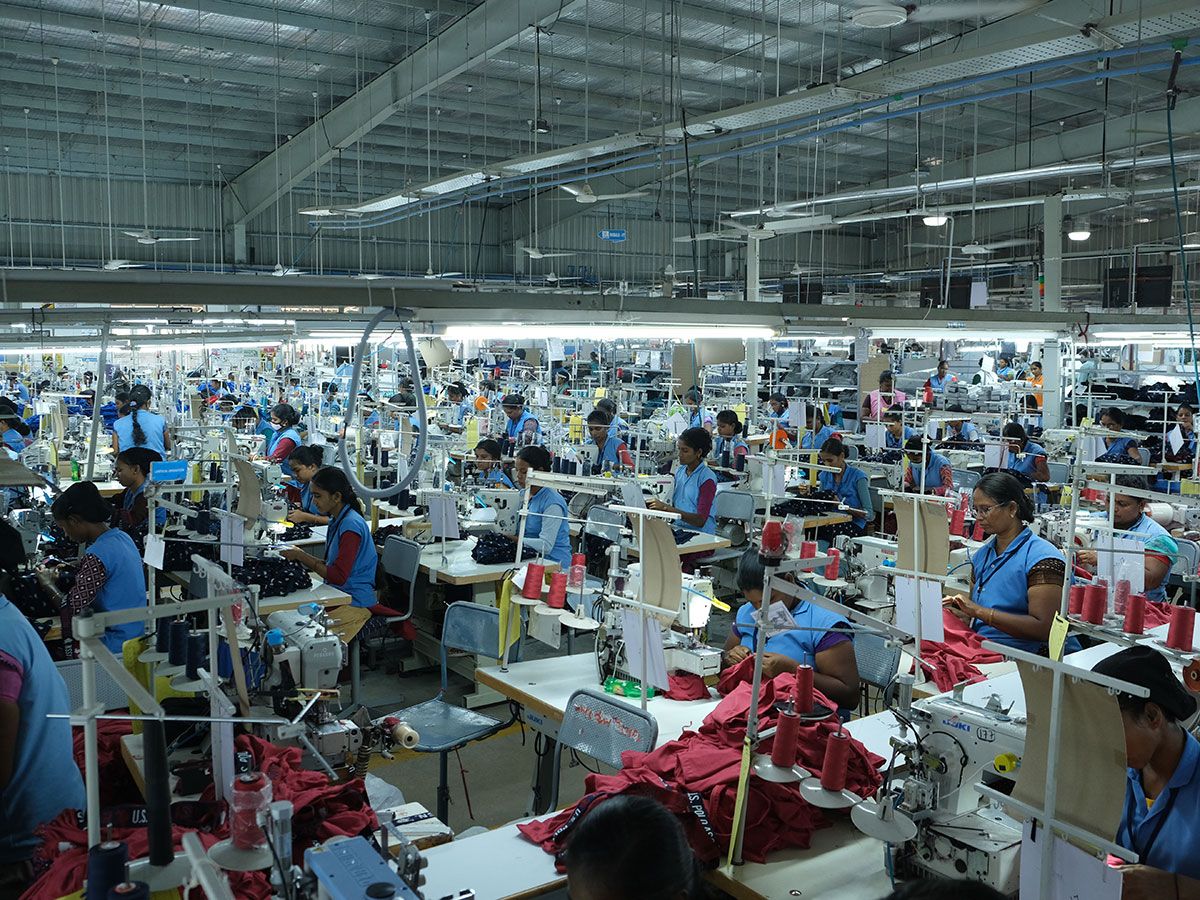
At 12 years old, Deepa started working at a garment factory making clothes for less than one Canadian dollar a week.
Sign In or Create an Account
or View more offersArticle content
For most of her working life, the now 32-year-old southern Indian labourer says she has endured daily abuse from bosses, occasional beatings and little recourse.
Article contentWe apologize, but this video has failed to load.Try refreshing your browser, or
tap here to see other videos from our team.Article content
That fate changed three years ago.
Article content
The key reason is a historic labour contract that followed the death of a garment worker in 2021. Signed in 2022 by a large Indian manufacturer, its workers and major international clothing brands, it was dubbed the Dindigul Agreement, after the southern Indian city where the signing took place.
Article content
Story continues below
This advertisement has not loaded yet, but your article continues below.
Article content
Historic labour contract
Article contentArticle content
That deal has improved working conditions for two-thirds of garment workers surveyed in factories producing brands sold in Canada such as Disney, Reebok, Tommy Hilfiger, Calvin Klein and U.S. Polo. Collectively, those workers reported fewer harassment cases, better complaint mechanisms and improved treatment from male colleagues and factory bosses, according to a survey of nearly 1,100 Indian garment workers conducted by researchers at Simon Fraser University (SFU) and Lead at Krea University, a research centre in India. This research was shared exclusively with the Investigative Journalism Bureau (IJB).
Article content
Of the workers surveyed, more than 80 per cent reported there has been more respect in the workplace compared to three years ago. And 87 per cent of workers reported increased wages in the same time frame.
Article content
But this proven model for protecting the people who make many of our clothes in Canada and the West faces a new challenge: major clothing brands appear to be pulling out of the agreement or are unwilling to sign on to similar ones in the future.
Article content
Story continues below
This advertisement has not loaded yet, but your article continues below.
Article content
We believe the brands want to stay away from factories where there is a binding agreement with trade unions or labour groups
Alagesan Senniappan, executive vice-president of quality assurance for Eastman Exports
Article content
Since the Dindigul Agreement’s initial term expired in October 2025, there has been little interest from major clothing brands in agreements like it. Major Canadian players such as Lululemon and Aritzia were not signatories to Dindigul and have not apparently signed on to similar enforceable brand agreements with factories that make their clothes.
Article contentRead More
- Big clothing brands squeezing Bangladeshi suppliers to offset inflation, study alleges
- Workers in Canadian Tire’s supply chain not paid ‘living wages,’ union complains
- Story continues belowThis advertisement has not loaded yet, but your article continues below.
Article content
Factory executives in Dindigul say they have struggled to secure or continue doing business with brands since signing the agreement.
Article content
Even the clothing brands that did sign the Dindigul agreement — including H&M and PVH (which owns Calvin Klein and Tommy Hilfiger) — no longer source from there, according to their supplier lists.
Article content
“We believe the brands want to stay away from factories where there is a binding agreement with trade unions or labour groups,” said Alagesan Senniappan, executive vice-president of quality assurance for Eastman Exports, which owns the Dindigul factory.
Article contentArticle content
Senniappan said eight or nine brands declined to work with the factory after the death of the employee in 2021. Even when it signed on to the Dindigul agreement a year later and conditions dramatically improved, most of those brands never came back.