
Article content
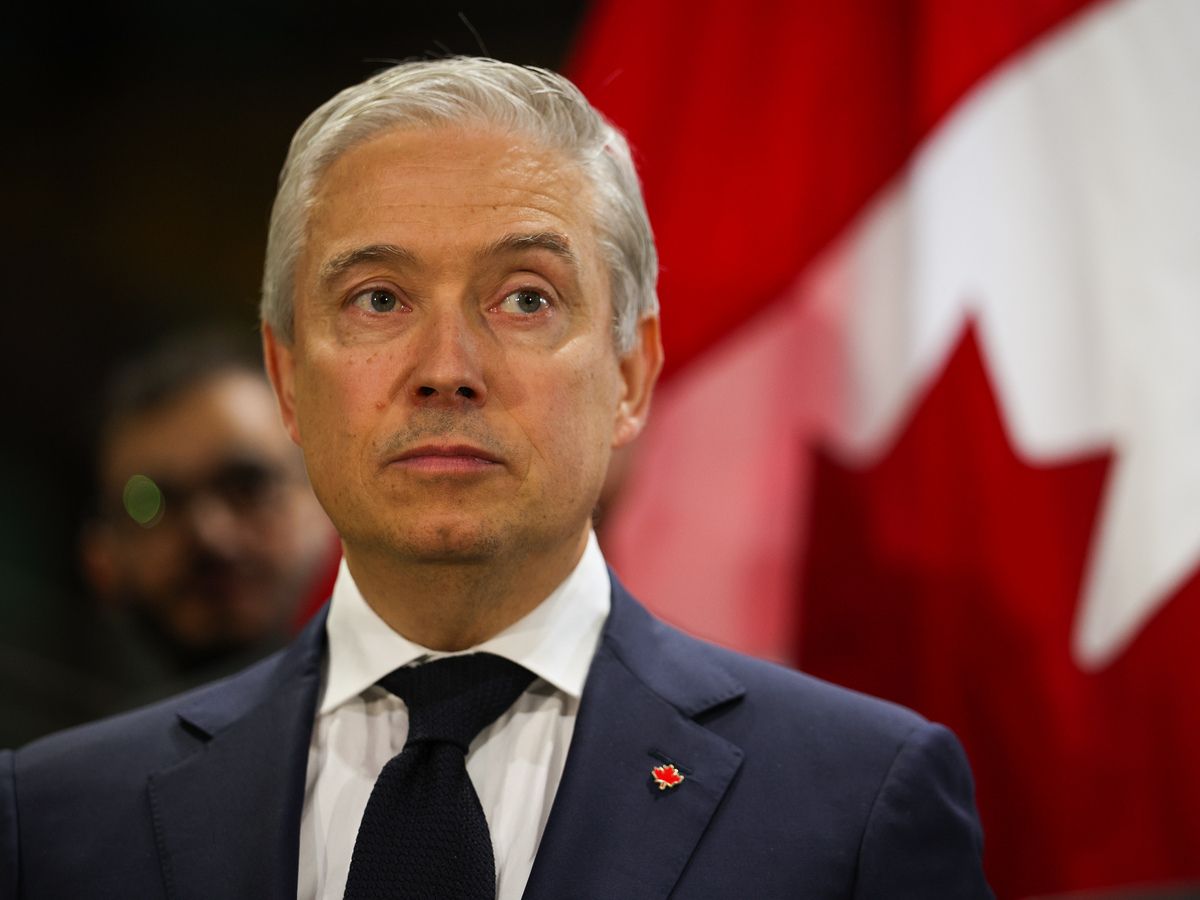
Finance Minister Francois-Philippe Champagne said positive investor sentiment is helping keep Canada’s borrowing costs in check despite a global bond rout, arguing the country’s finances are strong enough to handle the volatility.
Sign In or Create an Account
or View more offersArticle content
A selloff in government debt has sent the yield on 30-year United States Treasuries surging to about 5.27 per cent, creating major headaches for Treasury Secretary Scott Bessent. The Canada long bond is trading much richer, posting a yield of 4.15 per cent as of 3:30 p.m. New York time on Tuesday.
Article contentWe apologize, but this video has failed to load.Try refreshing your browser, or
tap here to see other videos from our team.We apologize, but this video has failed to load.Try refreshing your browser, or
tap here to see other videos from our team.Article content
Story continues below
This advertisement has not loaded yet, but your article continues below.
Article content
That’s a wider gap than usual. Over the past decade, the Canadian 30-year yield has been about 70 basis points below Treasuries, on average, according to data compiled by Bloomberg.
Article contentArticle content
“The bond market is showing a lot of confidence in Canada, both in the short term and in the long term because of the measures that we’ve been taking,” he told reporters while attending the Group of 20 meetings in Asheville, North Carolina.
Article content
Statistics Canada reported record flows of $80.8 billion by foreign investors into government bonds in Canada in the second quarter.
Article content
“We‘re entering this period in a position of strength,” Champagne said, “We’ve reduced our expenses, we have increased revenues, but we have also made strategic choices.”
Article content
But he added that Canada is “not immune to the geopolitical conflicts that are happening,” citing the ongoing wars in Iran and Ukraine that have disrupted global energy supplies and raised consumer costs.
Article content
Relations between the U.S. and Canada appear to be at their worst state in years. After trade talks collapsed on Aug. 21, both sides rolled out new tariffs on each other’s goods. President Donald Trump and other U.S. officials have publicly denigrated Canada.
Article content
Story continues below
This advertisement has not loaded yet, but your article continues below.
Article content
On Monday, Bessent scoffed at the idea the U.S. was in a trade war with its northern neighbour, asking if Canada was going to “take their two submarines from the Edmonton mall and sic them on us.” That’s a reference to a visitor attraction that was removed from the West Edmonton Mall in 2005.
Article contentRead More
- Canada can weather latest U.S. tariffs, economists tell Champagne
- Canadian firms have $5000 billion of private credit exposure, mostly in U.S.
- Story continues belowThis advertisement has not loaded yet, but your article continues below.
Article content
On Tuesday, Prime Minister Mark Carney said the talks can’t resume until the U.S. stops “throwing shade” at Canada and gets serious about the issues at stake.
Article content
Champagne said he plans to be “constructive” yet “firm” as he meets with Bessent on Tuesday.
Article content
The benchmark 10-year Canada yield was up about one basis point in afternoon trading to 3.745 per cent. That’s the third lowest in the Group of Seven — German and Japanese debt is currently more expensive at that tenor.
Article content
But it’s still around 37 basis points higher than at the start of July. The spread with U.S. 10-year notes has narrowed slightly over that period.
Article content
Champagne is expected to reveal the new federal budget in the next few months. The government is running deeper deficits, partly to fund infrastructure and housing, and is aiming to draw billions of dollars of investment into Canada.
Article content
In April, the finance department projected a $65.3 billion shortfall this fiscal year, representing about two per cent of gross domestic product. However, more than half of economists in a Bloomberg survey expect the deficit outlook to be deeper than that.
Article content
Article contentWe apologize, but this video has failed to load.Try refreshing your browser, or
tap here to see other videos from our team.Article content