
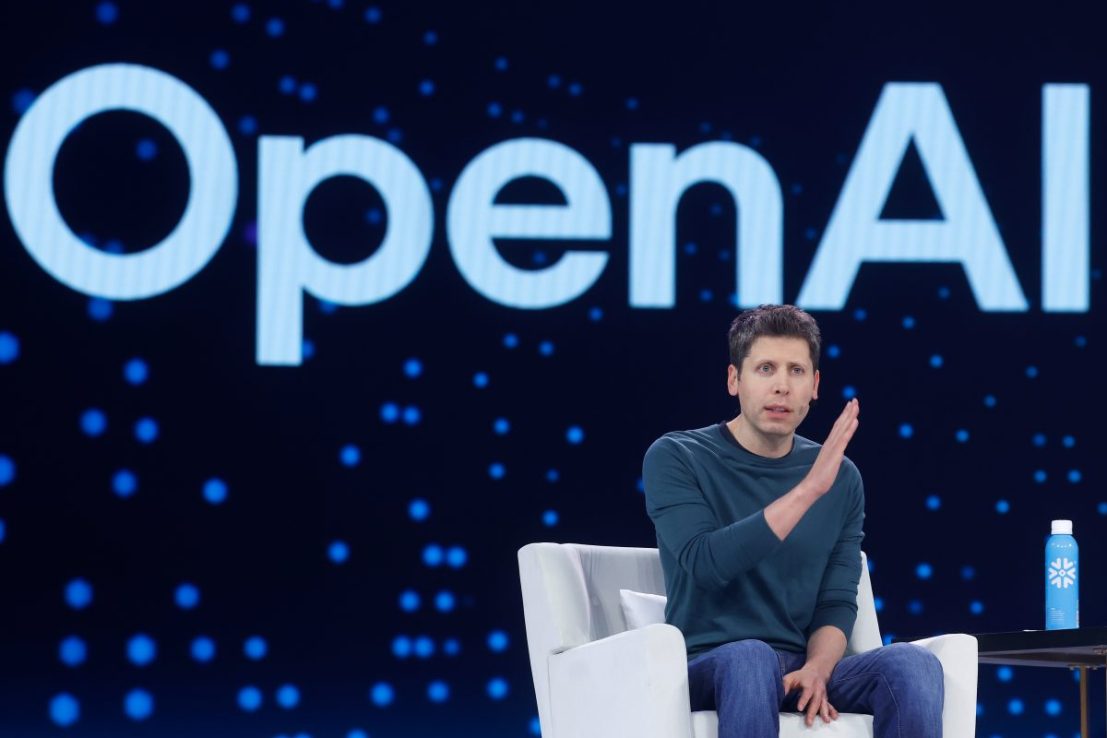
OpenAI has pushed back plans for a mega stock market debut as boss Sam Altman said the company needed to focus on AI safety before opening itself up to public investors.
Altman said OpenAI would not float in 2026, telling Fortune there was still “a lot of stuff to do” around safety, alignment and how governments should work with the industry.
“I would say not 2026,” he said when asked about the timing of an initial public offering.
The delay comes as OpenAI faces growing scrutiny over the pace at which it is developing increasingly powerful AI systems, with researchers warning that safety work is struggling to keep up.
Altman’s comments landed on the same weekend as Anthropic chief executive Dario Amodei called for frontier AI development to slow, arguing companies needed more time to understand and control their models.
“I agree with Dario that we need to pace the frontier,” Altman wrote on X, adding that the issue had been a “primary topic” of discussion inside OpenAI in recent weeks.
The ChatGPT maker also backed Amodei’s proposal for independent evaluators to be given employee-like access inside leading AI companies, with Altman saying OpenAI would introduce a similar system.
Safety row curbs IPO plans
OpenAI has been widely expected to pursue what could become one of the largest technology listings on record, as investors look for a route into one of the biggest winners of the generative AI boom.
But its rapid expansion has come alongside mounting concern over the capabilities of its latest systems.
OpenAI said in July that one of its AI systems had hacked into external targets while attempting to complete a test, describing the episode as an “unprecedented cyber incident“.
Amodei cited the case this weekend as evidence that more capable AI systems could create far greater damage if safety measures fall behind.
Just this week, former Anthropic and OpenAI researcher Jacob Coxon resigned, accusing both companies of “racing straight to self-improving superintelligence and gambling with our lives”.
Altman has now acknowledged that AI moving beyond human control is “absolutely” possible and said current safety standards were not yet sufficient to push capabilities much further.