
With the burgeoning El Niño now forecast to intensify significantly in the coming months, the “supersized” climate event will likely have an outsized impact on severe weather around the world, fueling heat, drought and flooding, among other extremes, the United Nations warned Thursday.
“El Niño is being supersized before our eyes,” U.N. Secretary-General António Guterres said in a statement. “The science leaves no room for doubt: the planet is in uncharted waters, and those waters are heating up.”
Guterres was responding to an updated forecast outlook by the World Meteorological Organization released Thursday, which predicted the current El Niño’s strength and lifespan. The organization, an agency within the U.N. focused on global weather and climate, said in the update that El Niño is expected to continue deepening and eventually become “very strong” near the end of the year.
El Niño Southern Oscillation Cycle, or ENSO, is a climate pattern dictated by sea surface and atmospheric conditions in a section of the tropical Pacific Ocean that influences weather all over the world. El Niño coincides with unusually high ocean temperatures in that region. It also typically brings heat, drought and flooding to other parts of the planet, even places thousands of miles away.
Those effects can be amplified, potentially disastrously, when El Niño itself is strong. But, this year, the phenomenon seems to be progressing under circumstances not clearly observed before, according to the United Nations. Oceans have already been exceedingly warm, even without the advent of El Niño, which means this side of the ENSO cycle is going to keep unfolding from a baseline point that is hotter than usual.
Ocean temperatures ticked upward this summer in that important section of the tropical Pacific, rising from an average of 1.5 to 2.6 degrees Celsius above “normal” temperatures, forecasters said.
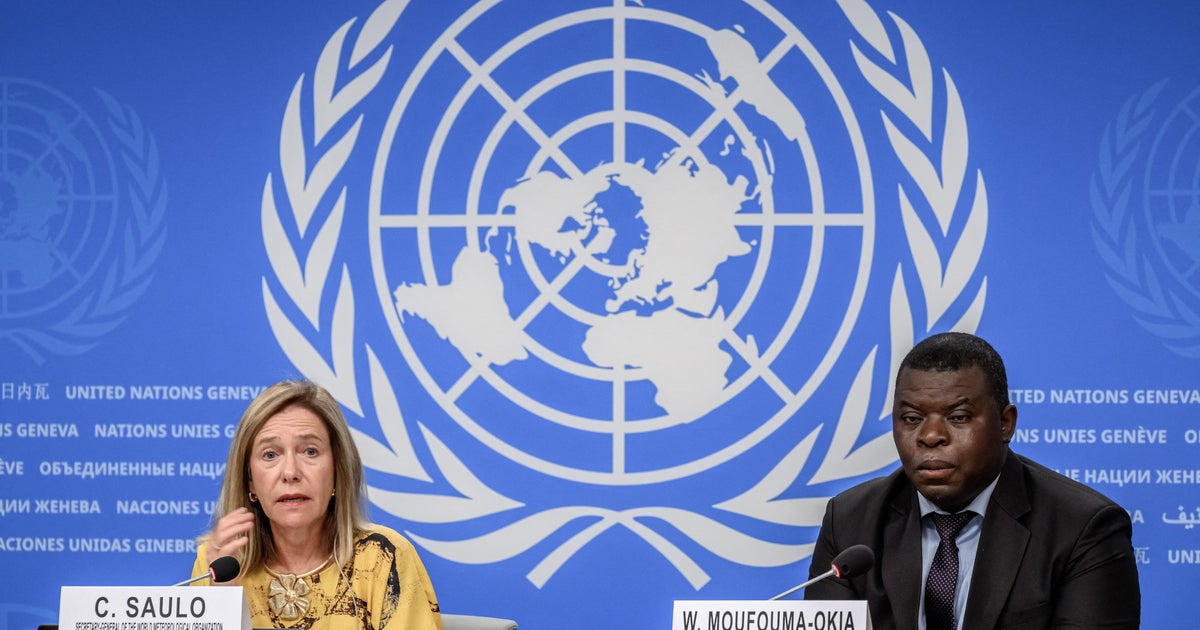
“We are already seeing the disruption and devastation caused by droughts and floods, and we expect these to worsen as El Niño intensifies,” said Celeste Saulo, who heads the World Meteorological Organization.
Although the impacts will be felt to varying degrees in different parts of the world, meteorologists have warned the immediate implications will likely be above-normal temperatures spread across almost the entire Earth’s surface. Rainfall patterns will also change depending on location, with some places due to experience excessive rain and flooding while others experience drought.
The latest forecast from the meteorological organization placed the likelihood of El Niño persisting through early 2027 at nearly 100%, which is a level of certainty the agency hasn’t had before for any ENSO event. It’s due to peak as 2026 comes to a close.
To help prepare communities for what may arise in the coming months, the World Health Organization has launched a campaign with national weather agencies that aims to improve forecasts and early warning systems as weather threats grow.
In: