
Government offers small businesses a trust tax workaroundBy economics reporter Tom Crowley
Posted Thu 3 Sep 2026 at 2:02pmThu 3 Sep 2026 at 2:02pmThu 3 Sep 2026 at 2:02pm
In short:
The federal government has proposed a workaround for small businesses who were worried about paying state stamp duties when they restructure out of discretionary trusts to avoid the proposed minimum tax.
They will instead be able to restructure their affairs without actually changing their trust structures, remaining exempt from the tax as long as they do not vary their distributions.
What’s next?
The draft legislation is open for consultation for two weeks.
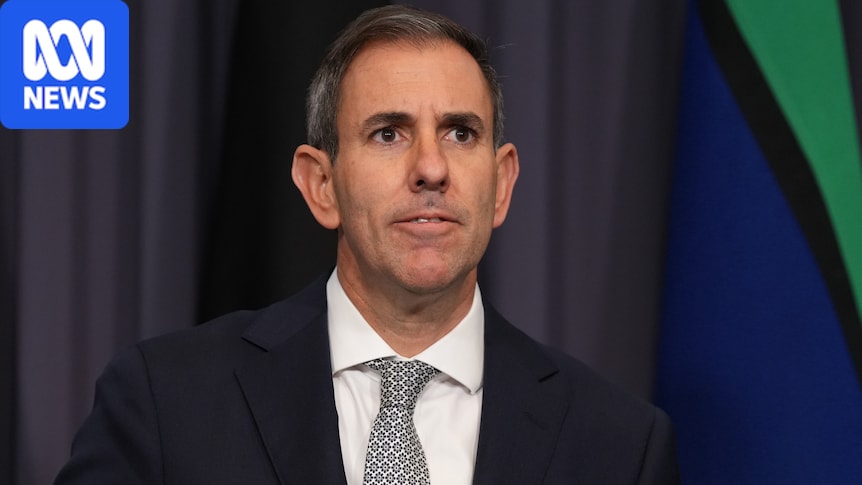
Small businesses could avoid being stung by stamp duty when they restructure to escape Labor’s minimum tax on discretionary trusts, under a workaround proposed by Treasurer Jim Chalmers.
Draft laws to enact the 30 per cent trust tax were released for feedback on Thursday. The tax is the last of the major tax changes from the May federal budget to be legislated.
Fears about stamp duty had been raised with the government during consultation, with small business lobby COSBOA warning those who used discretionary trusts could be left with “an impossible choice between a higher tax burden or a costly restructure”.
Why stamp duty loomed as an issue
Stamp duties are collected by states and territories when property is transferred or transacted.
Financial assets count as property, so small business restructures usually trigger stamp duty.
Many businesses were expected to restructure to avoid the new trust tax.
Labor’s tax applies only to discretionary trusts, a type of financial vehicle which gives their owners flexibility to shift income between an array of companies and beneficiaries and across time.
The government has argued the trusts are used to minimise tax.
By restructuring into a company structure or a “fixed” trust, which doles out income in steady proportions, trustees would forfeit the flexibility benefits but avoid the new tax.
But doing so would be expensive. The budget papers promised “rollover relief” for “small businesses and others”.
But similar federal rollover programs do not cover state stamp duties, applying to federal income taxes only.
How Labor is proposing to swerve the stamp duty issue
The government had indicated it wanted to fix the issue and sought ideas through the consultation process.
But state treasurers had responded with reluctance or even outright hostility to suggestions they may be asked to waive stamp duty.
This workaround is designed to avoid triggering a stamp duty event, effectively by allowing small business to keep their discretionary trusts, but opt out of actually using their discretion.
Rather than converting to a fixed trust and triggering stamp duty, the legislation would allow trustees to choose to make fixed distributions to their existing beneficiaries, making them exempt from the trust tax as long as they keep the fix in place.
Another change would exempt from the tax any donations made from discretionary trusts to registered charities, deductible gift recipients, or “income-tax exempt entities” such as religious groups or sporting clubs.
Some trustees had raised concerns that charitable giving would be discouraged without such an exemption.
The trust tax will begin in mid-2028, a year later than capital gains and negative gearing changes.
There are many exemptions, including for super funds, disability trusts, deceased estates, testamentary trusts, charitable trusts, and farm income.
Business groups have also called for help with the cost of legal and financial advice to restructure.
Andrew McKellar of business group ACCI said in July that these costs were “extensive … not to mention the serious costs in time and stress”.
Consultation on the draft is open for two weeks, closing on September 18.