
Article content
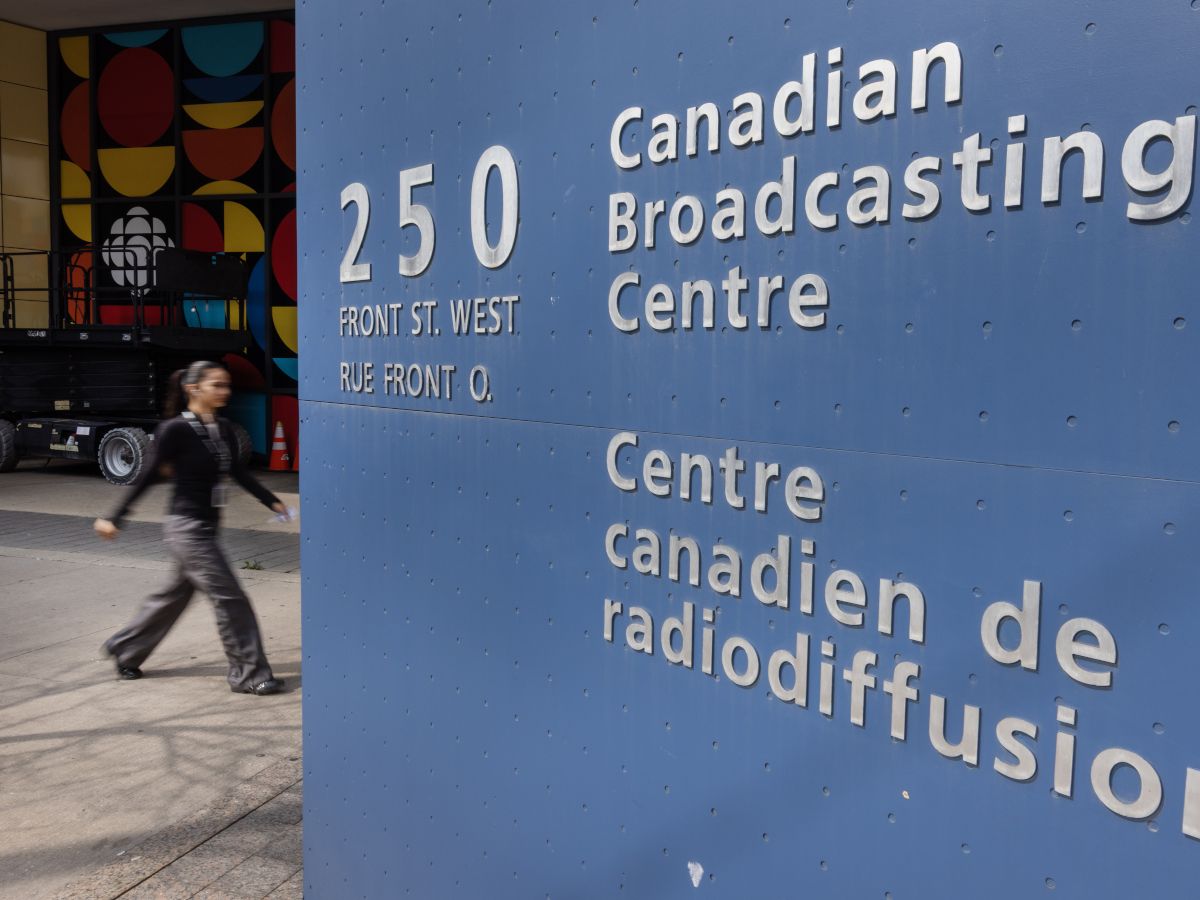
When the CBC recently backed away from an internal policy that instructed its journalists not to label 9/11 as a terrorist attack, it was a sensible reversal. But it occurred only after the broadcaster first dug in its taxpayer-financed heels.
Sign In or Create an Account
or View more offersArticle content
The entire episode is worth exploring because the back-and-forth over the CBC memo spurred debates over the nature of terrorism, and the broadcaster’s failure to think about the reality of what the word actually means.
Article contentWe apologize, but this video has failed to load.Try refreshing your browser, or
tap here to see other videos from our team.We apologize, but this video has failed to load.Try refreshing your browser, or
tap here to see other videos from our team.Article content
Story continues below
This advertisement has not loaded yet, but your article continues below.
Article content
It was lawyer and columnist Warren Kinsella who broke the news last week that CBC’s senior director of journalistic standards and public trust, Basem Boshra, recently sent a memo to staff about the upcoming 25th anniversary of the 9/11 attacks.
Article contentArticle content
Boshra instructed CBC staff in the following manner: “Do not refer to the Sept. 11 attacks as terrorist attacks.” Note the imperative: do not!
Article content
The reason for these specific instructions about 9/11, as later noted by Boshra in explaining the CBC’s reversal, was a longstanding CBC policy under which non-journalists may be cited as labelling an event or group as terrorist but not CBC staffers themselves.
Article content
The argument was articulated in 2023 by another CBC manager: “Because these words are so loaded with meaning, politics and emotion that they can end up being impediments to our journalism.” That earlier policy was defended by others, including retired CBC journalist Keith Boag, who lamented the reversal when it comes to 9/11.
Article content
Boag offered up a defence of prior CBC policy when he asked this rhetorical question: “In what way was 9/11 a terrorist attack that does not also apply to other attacks on civilians for political purposes? Take, for instance, recent events in the Middle East.”
Article content
Story continues below
This advertisement has not loaded yet, but your article continues below.
Article content
Boag later clarified that he thinks 9/11 and October 7 were both terrorist attacks. But he still argued for a consistent CBC approach to civilian casualties, whether they result from terror or war. And therein lies the problem.
Article contentRead More
- Jesse Kline: CBC lets Hamas apologist cheer Sinwar unchallenged
- Amanda Eskenasi: CBC fed Canadians a biased view of the Israel-Hamas war — and the data proves it
- Story continues belowThis advertisement has not loaded yet, but your article continues below.
Article content
Let us move beyond disputes between current and former CBC staffers and consider the larger context. There is a real distinction between the civilian casualties that unavoidably occur during war and are incidental to it, and terror attacks whose first and only purpose is to cause mass civilian deaths.
Article content
When this distinction is not made, it reveals a severe gap in one’s ability to reason and even to consider the awful choices that democratic leaders face during war.
Article content
All civilian deaths, whether from terrorism or during war, are horrific, but distinctions matter, as does the rationale. In the Second World War, Canada and its allies were not going to sacrifice more of our own soldiers on the beaches and fields of Europe after years of war with Nazi Germany, in order to try to avoid civilian casualties. This would have been an impossible goal because such casualties were inevitable.