
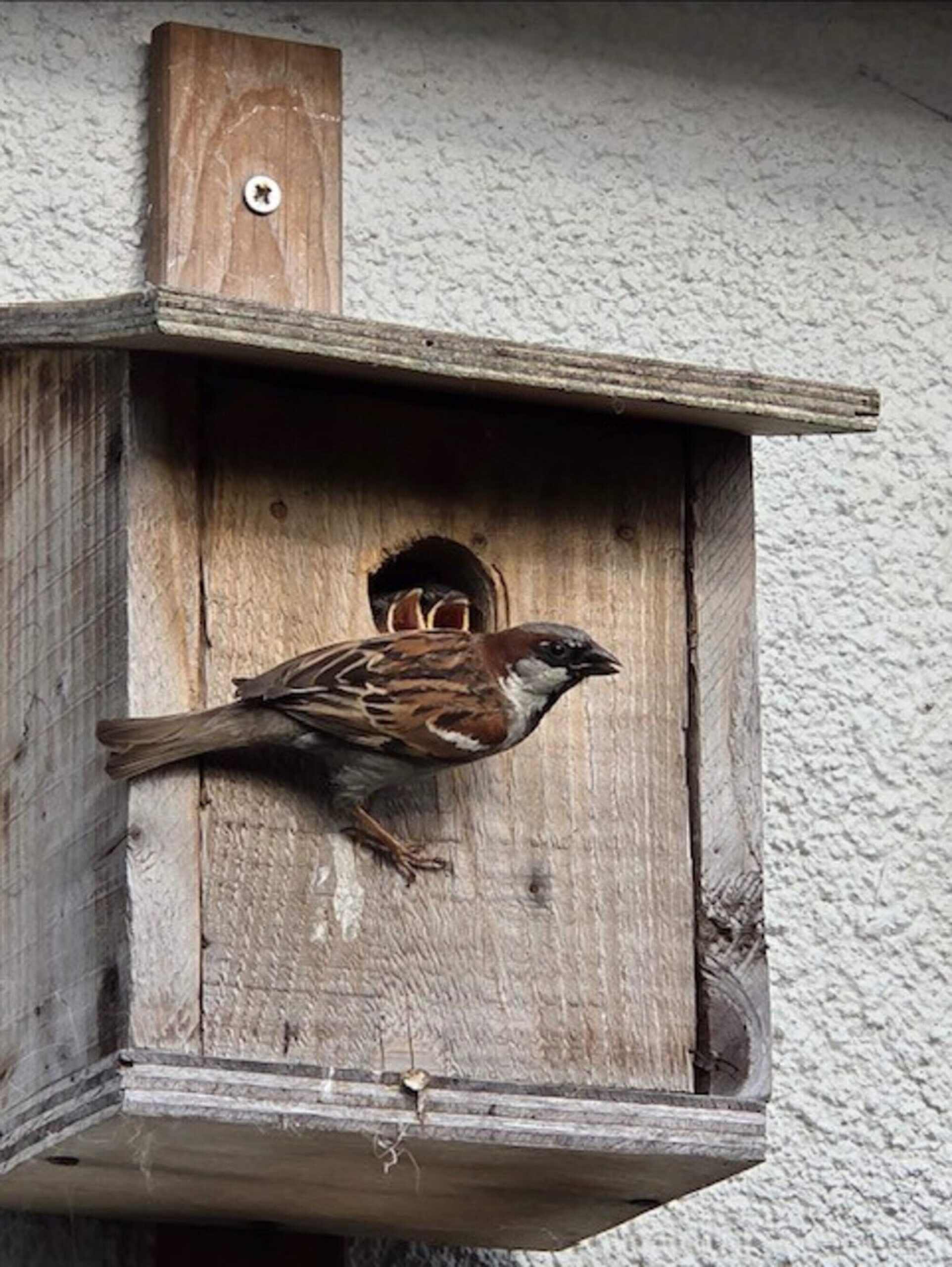
One of the less well-known features of the Blainroe residential estate, situated a few kilometres south of Wicklow town, is that it hosts a remarkable number of countryside bird species in its secluded private parkland and woodland environs.
The annual Blainroe Birdlife Survey is now in its third year and reports more than 50 bird species regularly roosting, nesting, feeding or just flying over the estate and adjoining townlands of Kilpoole and Magheramore.
During the main bird nesting season from April to July, the time of year when birds are most visible and audible, the survey is carried out through the Blainroe Birds and Wildlife group.
The survey co-ordinator is John Murphy, who directed the countryside conservation project of BirdWatch Ireland in the 1990s and was part of the BirdWatch Ireland team who set up the nationwide countryside birds survey back then.
“An eagerly awaited annual springtime event is the return of migratory birds from their wintertime stay in Africa,” said John.
“Species recorded in the Blainroe survey include barn swallow, house martin, willow warbler, chiffchaff and blackcap. All the familiar resident Irish garden birds such as blackbird, thrush, robin, wren, wagtail, sparrow, starling and the various finch species were also recorded during the survey. Other less prominent species, such as the jay, woodpecker and pheasant, were also recorded.
“An estate and surrounding countryside with over 50 bird species living, visiting or flying overhead, undoubtedly sends out a good environmental image.”
One of the rarer bird species recorded as part of the survey includes the great spotted woodpecker, which became extinct as a breeding species in Ireland in the 17th or 18th century due to extensive woodland clearance, but is now making a comeback.
“The sighting of the great spotted woodpecker over the past three years as part of the survey is quite the development,” said John. “The species has made quite the return over the past decade or so and nationally its numbers continue to grow.”
For the first time in its three-year duration, the survey discovered a mallard duck, but there were no swift sightings this year, similar to the 2024 survey results. A barn owl was also recently recorded.
“Swifts tend to be more of an urban bird you find nesting in old buildings in urban spaces or small towns. For instance, they would be quite plentiful in parts of Dublin, but you don’t tend to seem them that often in more rural locations,” added John.
Other birds flying over the survey area or circling overhead were buzzard, red kite, raven, various gulls, oystercatcher and curlew.
“The curlew is a red listed endangered Irish breeding species, and would be much more plentiful in winter months when birds from Scandinavia and more northerly regions move south for the milder Irish winter,” said John.
Four-footed wildlife caught on camera included the fox, hedgehog and grey squirrel.
John added: “A conservation management objective is to see a reintroduction of pine martin to discourage the invasive grey squirrel and facilitate the return of the native Irish red squirrel. Pine martens are deadly enemies to the grey squirrel but tend to be much friendlier towards red squirrels.”