
Wholesale costs have risen to three-year high, with fears of even more hikes to come
A leading gas supplier to homes and businesses has doubled its standing charge in a move that has irked customers.
Calor Gas is increasing the annual standing charge from €95 to €185.
There is no change to the unit rate for the fuel, but fears have been raised about further rises in gas and electricity prices in this country after European wholesale gas prices continued to climb.
Dutch wholesale gas futures rose to a more than three-and-a-half-year high this week amid persistent US-Iran tensions.
Calor Gas supplies liquefied petroleum gas (LPG) and renewable BioLPG to power heating, hot water, and cooking appliances for an estimated 50,000 homes and businesses across the State.
One rural Galway-based homeowner who learnt about the new standing charge said he was dismayed at the doubling of the price.
Asked about the standing-charge price rise, Calor said it was committed to providing its customers with a safe and a reliable service.
The standing charge covers the ongoing costs associated with Calor-owned customer tanks, including regular inspections, servicing and maintenance by qualified engineers, tank testing and requalification, and the replacement of parts where required.
The company said: “For many of our customers, Calor has historically absorbed a significant proportion of these costs. However, as the cost of maintaining tanks and meeting safety and regulatory requirements has continued to increase, we have had to adjust the standing charge to better reflect the cost of providing these services.”
The company said it recognised that any increase in costs would have an impact on customers and it had sought to limit this.
“The adjustment applies to the standing charge only, with no change to Calor’s gas unit rates,” it said.
European natural gas prices climbed to their highest levels since March on Tuesday, as renewed military exchanges between the United States and Iran increased concerns over LNG shipments through the Persian Gulf.
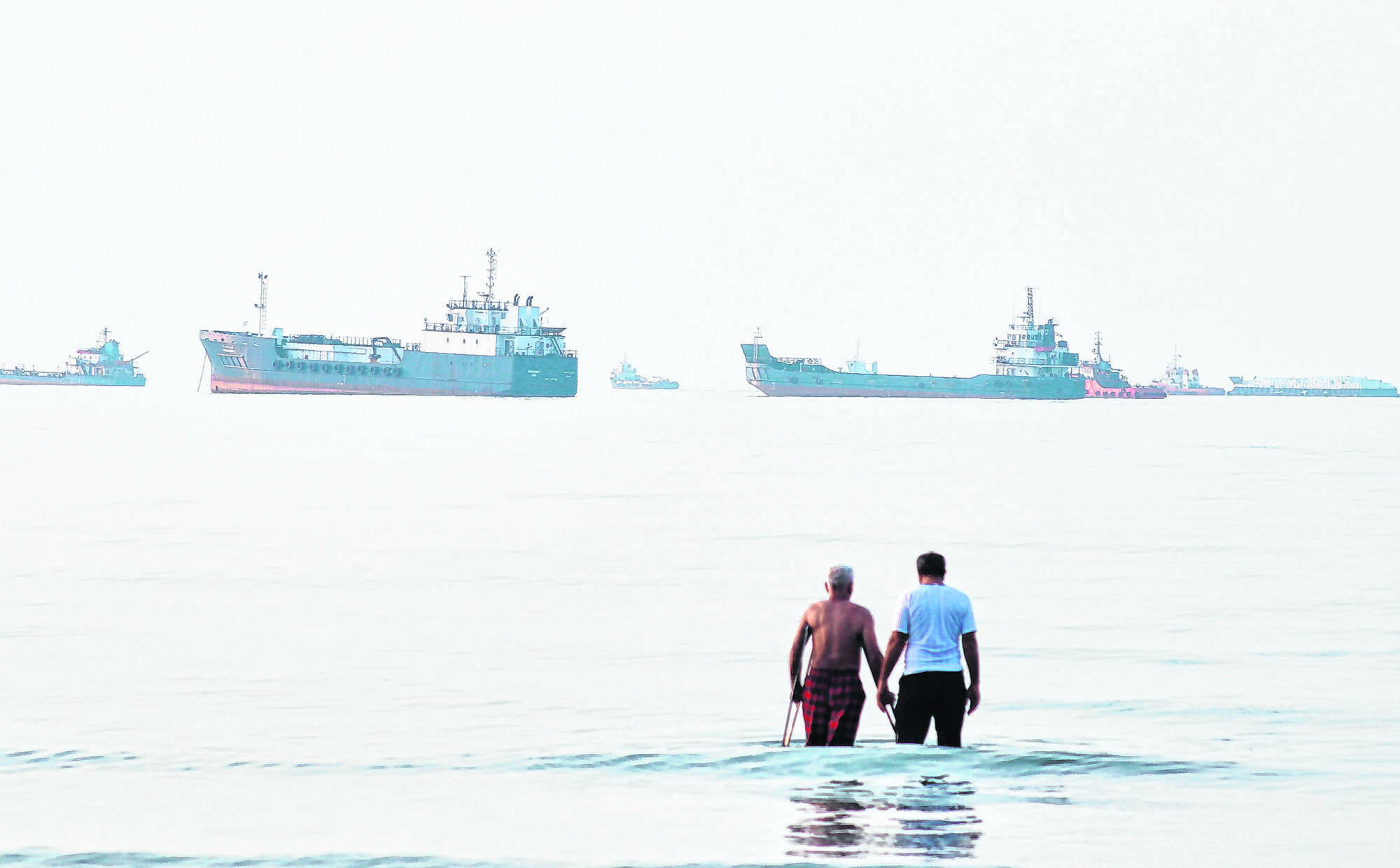
The increases came as energy markets assessed the potential impact of further disruption to commercial shipping through the Strait of Hormuz, a major transit route for global LNG supplies.
US forces carried out airstrikes against Iranian rocket launchers on Larak Island, followed by Iranian missile attacks on two US military air bases in Jordan.
If wholesale gas prices stay high, there is a likelihood of more electricity and gas price rises this winter, according to Daragh Cassidy of price-comparison site Bonkers.ie.
Last month, Pinergy became the fifth energy supplier to increase its electricity prices, saying it would hike its rates by 7.6pc from September 14. This will add €169 to the typical household bill over a year, once Vat is added in.
It comes after Electric Ireland, Yuno Energy, Flogas and PrePayPower have already raised their energy prices in the past few months.
Ireland uses gas to generate around 45pc of its electricity.
Recent figures from the energy regulator show that almost 330,000 electricity customers and 190,000 gas customers are now behind on their bills, a situation which won’t be helped by higher prices.
Electricity prices in this country are the highest in Europe.