
This section is The content in this section is supplied by GlobeNewswire for the purposes of distributing press releases on behalf of its clients. Postmedia has not reviewed the content. by GlobeNewswire Article content
MAF, CURE Children’s Hospital of Uganda, and Usratuna are helping critically ill babies with hydrocephalus reach neurosurgical care before time runs out
Sign In or Create an Account
or View more offersArticle content
Guelph, Ontario, Sept. 02, 2026 (GLOBE NEWSWIRE) — Ahead of World Hydrocephalus Day on September 20, a new cross-border pathway is helping South Sudanese babies with hydrocephalus reach life-saving neurosurgical care in Uganda – often when there are no other options.
Article contentWe apologize, but this video has failed to load.Try refreshing your browser, or
tap here to see other videos from our team.Article content
Story continues below
This advertisement has not loaded yet, but your article continues below.
Article content
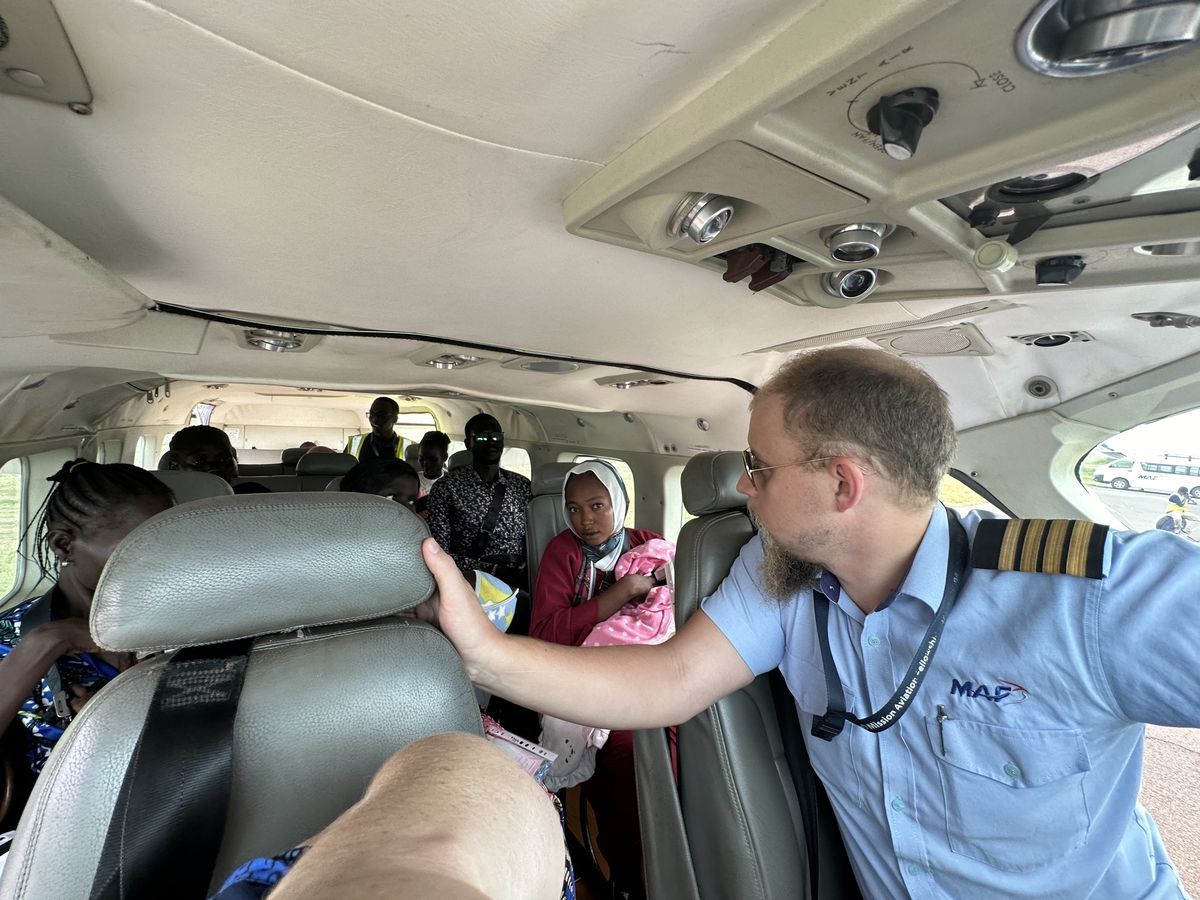
Through a coordinated effort between Mission Aviation Fellowship (MAF), CURE Children’s Hospital of Uganda (CURE Uganda), and Usratuna in South Sudan, infants with hydrocephalus and other serious neurological conditions are identified, prepared for travel, flown by MAF aircraft, and connected with specialized surgery at CURE in Mbale, Uganda. The program is among the first efforts of its kind in the region: a pathway designed to close the dangerous gap between diagnosis and treatment.
Article contentArticle content
When Ayen, a mother from South Sudan, that gap became painfully real when her daughter Achirin was just over one month old. “I remember the exact date Achirin’s head started growing,” Ayen said. “It was the 5th of January (2025), and she was one month old and a few days.” After noticing Achirin’s eyes turning inward and her head swelling rapidly, Ayen sought help and eventually reached Usratuna, which helped arrange the care and transport needed for Achirin to travel to Uganda.
Article content
When Ayen arrived at CURE, she found not only specialized medical care, but welcome. “When we reached there [the CURE hospital], they received me with love, and good care at the hospital there,” Ayen said. “They welcome you, and talk to you with a smile.”
Article content
Story continues below
This advertisement has not loaded yet, but your article continues below.
Article content
Hydrocephalus occurs when excess cerebrospinal fluid builds up in the brain. Without timely treatment, the increasing pressure can damage the brain, cause severe disability, or become fatal. Across Sub-Saharan Africa, access to neurosurgical care remains extremely limited. In South Sudan, there are no permanent neurosurgeons providing the specialized surgeries these children need.
Article content
“Many of the children arriving to us are in a life-threatening situation,” said Tim Erickson, Executive Director of CURE Children’s Hospital of Uganda. “Their condition needs urgent intervention. Every day that is missed is worse impact on the brain.”
Article content
CURE Children’s Hospital of Uganda conducts more than 2,200 pediatric neurological surgeries each year, more than any other hospital in the world. Yet even a world-class hospital cannot help a child who cannot reach its doors. Dangerous roads, border crossings, impossible costs, and fragile medical conditions can make the journey from South Sudan to Uganda too difficult or too slow for families to manage alone.
Article content
That is where MAF’s aircraft become a lifeline: shortening the journey, reducing the strain on fragile children, and helping families reach care before more time is lost.