
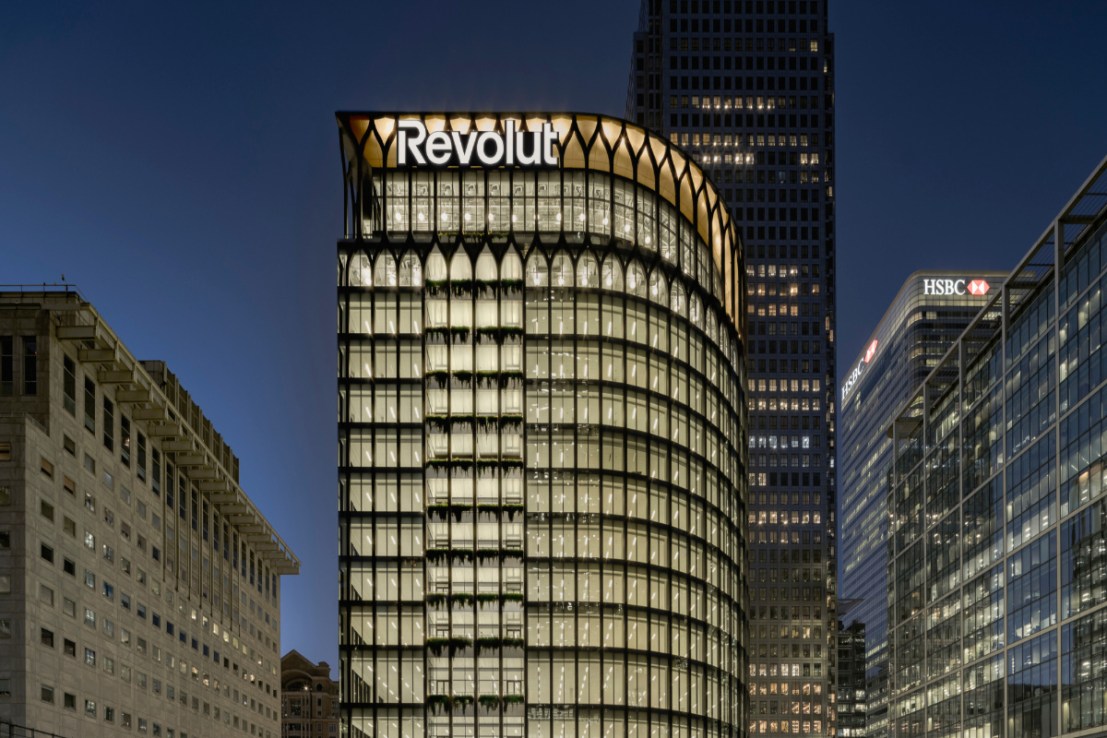
The group of hackers behind a major breach of Revolut managed to steal nearly 700 customers’ private data, City AM understands.
Revolut has contacted the 680 people affected by what it described as a “sophisticated” impersonation scam, according to a source close to the bank. The compromised data included customers’ identity documents, postal and email addresses, facial verification image and phone numbers.
In messages to City AM on Monday, the hacker group, calling itself Revolut Smilik, confirmed it is seeking payment from Revolut and would release “more and more data everyday” if it did not pay.
Several notable figures have had their personal information leaked by the hackers following the data breach. The group is threatening to release more unless it receives payment from Revolut.
The company and the hackers are yet to have direct contact, it is understood.
Revolut hit by ‘sophisticated’ scam
Revolut said it was targeted in a “sophisticated external impersonation scam” where hackers used a legitimate government agency email to submit fraudulent requests for information. The company said its core infrastructure, databases and customer accounts had not been compromised.
“Upon detection, we immediately blocked the address and alerted the relevant government agency as well as enforcement agencies, data protection, and financial regulators,” a spokesperson for the fintech said.
A Financial Conduct Authority spokesperson said: “We are aware of the reported incident involving Revolut and are engaging with the firm to understand the impact and the steps being taken to address any potential harm.”
A spokesperson for the Information Commissioner’s Office said: “We can confirm we have received a report and are assessing the information provided.”
Digital attacks have become a growing threat to companies over the last year. A cyber attack on Jaguar Land Rover last year was estimated to have cost the UK around £1.9bn making it the costliest hack in British history.
London-based Revolut has more than 80m customers globally and operates across 30 countries. In the last year alone it has secured licences and approvals from regulators in the UK, France, US and UAE.