
AdvertisementMarc JocumSeptember 15, 2026 — 3:00pm
You have reached your maximum number of saved items.
Remove items from your saved list to add more.
Australians have spent a generation treating property as the closest thing to a guaranteed wealth machine. Buy a home, borrow as much as the bank will lend, hold it long enough, and let the rising value do the heavy lifting.
For years, rising prices made that debt look like a cheat code for building wealth. But leverage cuts both ways. When prices rise, it can magnify gains. When they fall, it can increase the pain. After a long property boom, Australia’s obsession with housing is about to face its toughest test yet.
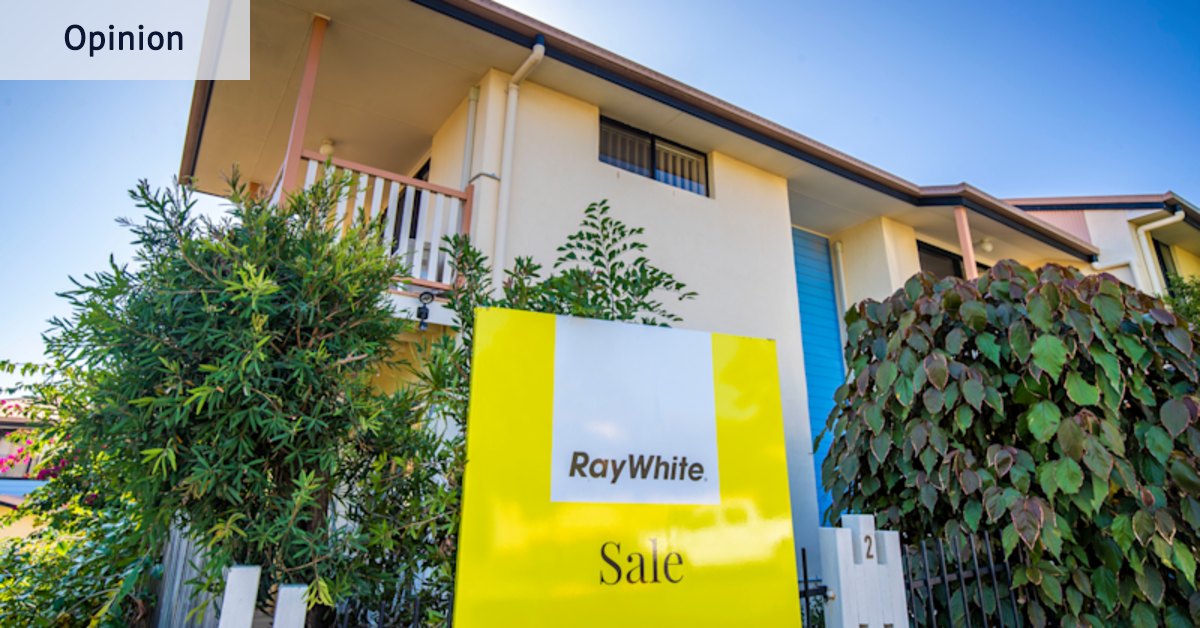
National home values have now fallen for five consecutive months. Recent data shows another 0.9 per cent fall in August, taking the decline from the national peak to 3.6 per cent. Sydney has been hit particularly hard, with values down 7.1 per cent from their February peak.
Markets are now virtually certain of another Reserve Bank rate rise this year, with the big question now whether the RBA moves as soon as the end of this month or waits for the next inflation data before potentially delivering the bad news on Melbourne Cup Day.
Advertisement
For mortgage holders, another 0.25 per cent rate rise is hardly academic and has real-world consequences. Housing is the largest household expenditure category, accounting for around a quarter of household expenditure, while Australia’s household debt burden remains among the highest in the developed world. Mortgage debt makes up the bulk of that burden, leaving households particularly exposed when interest rates rise.
Falling property prices could hit the economy. The Reserve Bank has previously estimated that a sustained 10 per cent fall in housing prices could eventually reduce household consumption by around 1.5 per cent.
Building wealth should not require betting the house (literally) on one asset class.
Its research shows the relationship between housing wealth and spending is significant – when households feel wealthier, they tend to spend more, and when their wealth falls, Australians tighten the purse strings.
For years, rising property prices have supported consumption; that situation could now reverse. There are already signs that financial pressure is building.
Advertisement
The National Debt Helpline received more than 183,000 calls and online requests for help in FY26 – a record and a 9 per cent increase on the previous year. Mortgage stress remains one of the leading reasons why Australians are seeking help.
The banks have also provided a useful reality check during August reporting season. While mortgage defaults and arrears remain low by historical standards, there are signs of loan deterioration at some lenders, with increases in 90-plus-day home-loan arrears. While it is too early to call this a mortgage crisis, financial stress does tend to appear at the edges before it becomes visible everywhere.
For a recent homebuyer carrying a large mortgage, falling house prices and rising repayments are an especially uncomfortable combination. The property asset could become less valuable while the debt is becoming more expensive to service. Push that equation far enough and negative equity becomes a genuine risk for some highly leveraged households, where one’s mortgage is worth more than one’s home.
This raises a broader question: why have Australians become so comfortable putting such a large share of their wealth behind one asset?
Advertisement
The latest ABS data put the value of Australia’s household residential dwelling stock at nearly $13 trillion in the March 2026 quarter. That is an extraordinary concentration of wealth, representing 68 per cent of total household wealth of around $19 trillion.
Treating property investment as the only path to wealth leaves households dangerously exposed when the cycle turns and rates move against them.
It also stands in sharp contrast to how Australians invest the rest of their portfolio. Direct shareholdings account for just 9 per cent of household wealth today, down from around 13 per cent two decades ago. By comparison, households in the United States hold a significantly larger share of their wealth in equities, reflecting a broader culture of diversified investing, with stocks accounting for around one-third of US total household wealth.
This is where diversification matters. Exchange-traded funds (ETFs) give Australians another way to build wealth through liquid, low-cost exposure to Australian and global shares, bonds, commodities and other markets. They can be bought in relatively small amounts and sold readily, without the stamp duty, legal bills and other transaction costs that make property so expensive to enter and exit.
Advertisement
They will not insulate anyone from a slowing economy as markets can fall too. But they can help Australians build financial assets outside property and create more than one engine for long-term wealth creation.
Financial prosperity does not have to come from a single asset, a single investment or a single property boom.
With another rate rise looking increasingly likely, and property values already wobbling, diversification is no longer just sound portfolio theory. It is starting to look like common sense because building wealth should not require betting the house (literally) on one asset class.
Marc Jocum is a senior ETF Strategist at Global X ETFs.
- Advice given in this article is general in nature and is not intended to influence readers’ decisions about investing or financial products. They should always seek their own professional advice that takes into account their personal circumstances before making any financial decisions.
Expert tips on how to save, invest and make the most of your money delivered to your inbox every Sunday. Sign up for our Real Money newsletter.
You have reached your maximum number of saved items.
Remove items from your saved list to add more.
More:
AdvertisementAdvertisement