
Article content
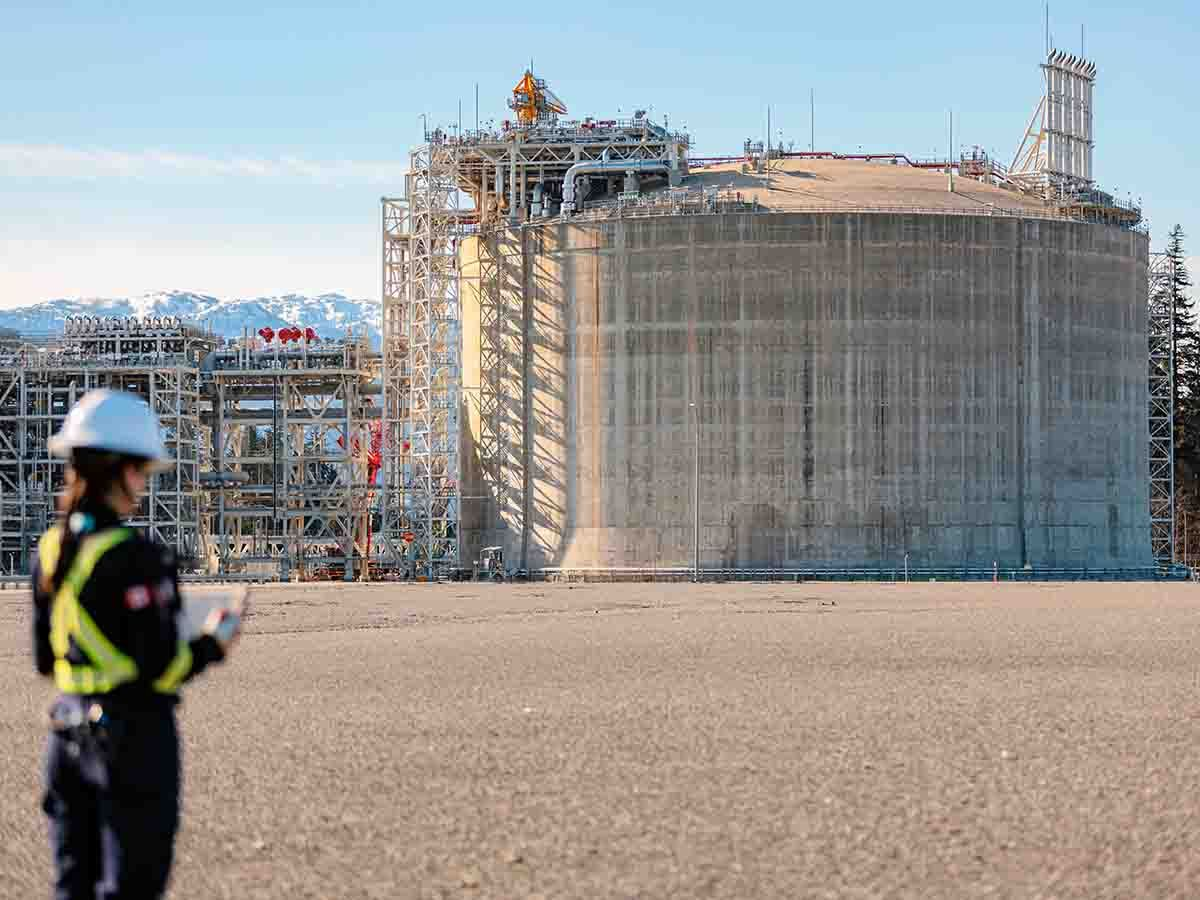
Supporters of British Columbia’s natural resource sector can be proud of what they have achieved in spite of huge obstacles put in their way by governments and environmentalists. They have made progress, however grudging and slow, in building a new LNG project and completing an oil pipeline while continuing to develop the province’s oil and gas fields. Though far short of what could have been realized, enough has now been done to evaluate the benefits.
Sign In or Create an Account
or View more offersArticle content
Story continues below
This advertisement has not loaded yet, but your article continues below.
Article content
They come in two phases: planning and building, which typically trigger a burst of construction, and then continuing gains in oil and gas output, much of it destined for overseas markets where prices are higher.
Article contentWe apologize, but this video has failed to load.Try refreshing your browser, or
tap here to see other videos from our team.Article contentArticle content
Because big infrastructure investments were needed both to produce energy and to transport it to market, construction has boomed in B.C.’s oil and gas sector over the past decade, from less than $5 billion in 2016 to $21.1 billion at the peak of construction in 2023, and $15.6 billion in 2024. The projects generating the boom include the LNG Canada megaproject and the TMX pipeline, as well as the capital spending to produce more natural gas.
Article content
In the decade before 2016, B.C. accounted for about 10 per cent of Canada’s oil and gas investment. By 2024, big investments in B.C. and declines in the rest of Canada took the province’s share of Canada’s oil and gas investment to over 30 per cent, establishing B.C. as a major player in the country’s energy industry.
Article content
Pipeline construction in B.C. jumped from essentially nothing in 2006 to $1 billion in 2015 and $4.4 billion by 2024, lifting it to over half of all pipeline construction in Canada, a seismic change from 2009’s less than 10 per cent.
Article content
Story continues below
This advertisement has not loaded yet, but your article continues below.
Article content
Meanwhile, investment in oil and gas production in B.C. nearly tripled, from $2 billion to almost $6 billion, enabling a 92.5-per cent increase in oil and gas output between 2015 and 2025. Natural gas led the way, with B.C. accounting for 37.5 per cent of Canada’s output in 2026, while its share of crude oil nearly doubled although it remained relatively small at 2.8 per cent of national output.
Article contentRead More
- Terence Corcoran: Carney issues ‘forward guidance’. So where are we going?
- Jack Mintz: Fix bad policy if Canada wants investment
- Story continues belowThis advertisement has not loaded yet, but your article continues below.
Article content
Completion of both the Trans Mountain pipeline expansion and the LNG Canada project has already helped diversify our energy exports. Total exports to the U.S. fell 5.3 per cent in 2025 while those to Asia rose 15.9 per cent. The overall increase in exports of all products to countries other than the U.S. was led by a 33.5-per cent gain in energy exports, notably to China, which more than tripled, from $3.2 billion in 2023 to $9.7 billion in 2025. This almost exactly offset the decline in energy exports to the U.S. from $166.1 billion to $159.4 billion over the same period.
Article content
There’s still lots of room for Canada to diversify its oil and gas exports even more. European nations are looking for non-U.S., non-Middle East energy supplies of energy. Because the U.S. already had the infrastructure to produce and export large quantities of oil and gas it was positioned to expand quickly into Europe both after Russia invaded Ukraine in 2022 and when war broke out in Iran earlier this year. Its net exports of oil have grown by two and a half times since 2021.