
Article content
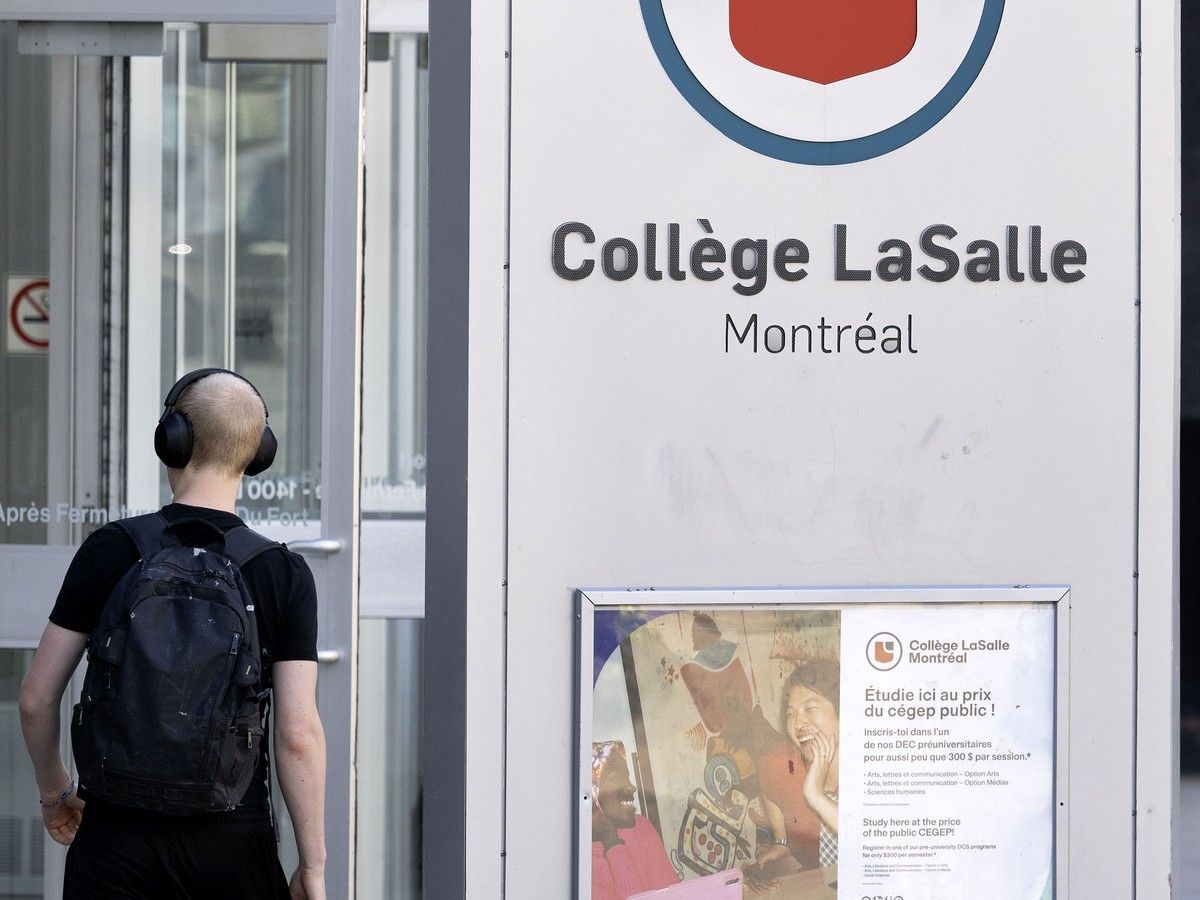
For a panicked few days in early September, it looked like LaSalle College in downtown Montreal was going to close for good, forced into bankruptcy by the Quebec government for temporarily teaching too many students in English.
Sign In or Create an Account
or View more offersArticle content
It was politically unusual. In the middle of any other provincial election, campaigning political parties would likely rally to support an institute of higher education that was dying, even indirectly, because of government punishment.
Article contentArticle content
Story continues below
This advertisement has not loaded yet, but your article continues below.
Article content
But Quebec, which goes to the polls Oct. 5, is determinedly unique.
Article contentArticle content
In 2022, Quebec strengthened the province’s language charter to make French the sole language for communication between the government and citizens, and what the province calls “a common denominator in the public sphere.”
Article content
For private Montreal colleges like LaSalle, and smaller ones like Marionopolis, it required their graduating students to have at least three courses taught in French, excluding courses in French language instruction. It also put a strict quota on the number of students taking courses in English, to keep that under a set proportion of all college students, specified in law and varying in different cases between 11.7 per cent and 18.7 per cent.
Article content
But it offered no transition period before financial penalties would be imposed on violators. And it allowed no adjustment based on an unanticipated pandemic relief education program that artificially boosted the number of students in the short term retraining and skills development programs that lead to “Attestation of College Studies,” a lesser degree than a full diploma.
Article content
Story continues below
This advertisement has not loaded yet, but your article continues below.
Article content
This led to what LaSalle calls a temporary, two-year “administrative imbalance,” now resolved, by which it exceeded the 2023-24 quota by 716 students, and the next year’s by 1,066. In response, the government levied far more in fines than LaSalle could afford to pay, and with the academic year about to start, the bill was due.
Article contentRead More
- Canadians are happier than they’ve been in years, poll finds
- Rich cottagers like the quiet. Inside Muskoka’s fight to stop the noise
- Story continues belowThis advertisement has not loaded yet, but your article continues below.
Article content
“It was a nightmare,” said the school’s director general Claude Marchand. “An existential crisis.”
Article contentArticle content
In the end it did not close, and by court order it survives to teach another year. Classes, suspended for a tense week, finally started on Sept. 8. But legally, the reckoning has only been delayed. The central problem remains, along with the political curiosity, as the school tries to bargain its way out of $30 million in punitive fines for excessive anglophone education.
Article content
Students, 3,000 of whom would have been left in the lurch, rallied at the school in advance of a last-ditch court appearance, with signs declaring “Studying is a right, save our education/our future” and “Laissez-nous étudier.”
Article content
“They’re tied up in knots,” said Merwie Garzon, whose 20-year-old daughter is a second-year student of fashion design at LaSalle.