
Article content
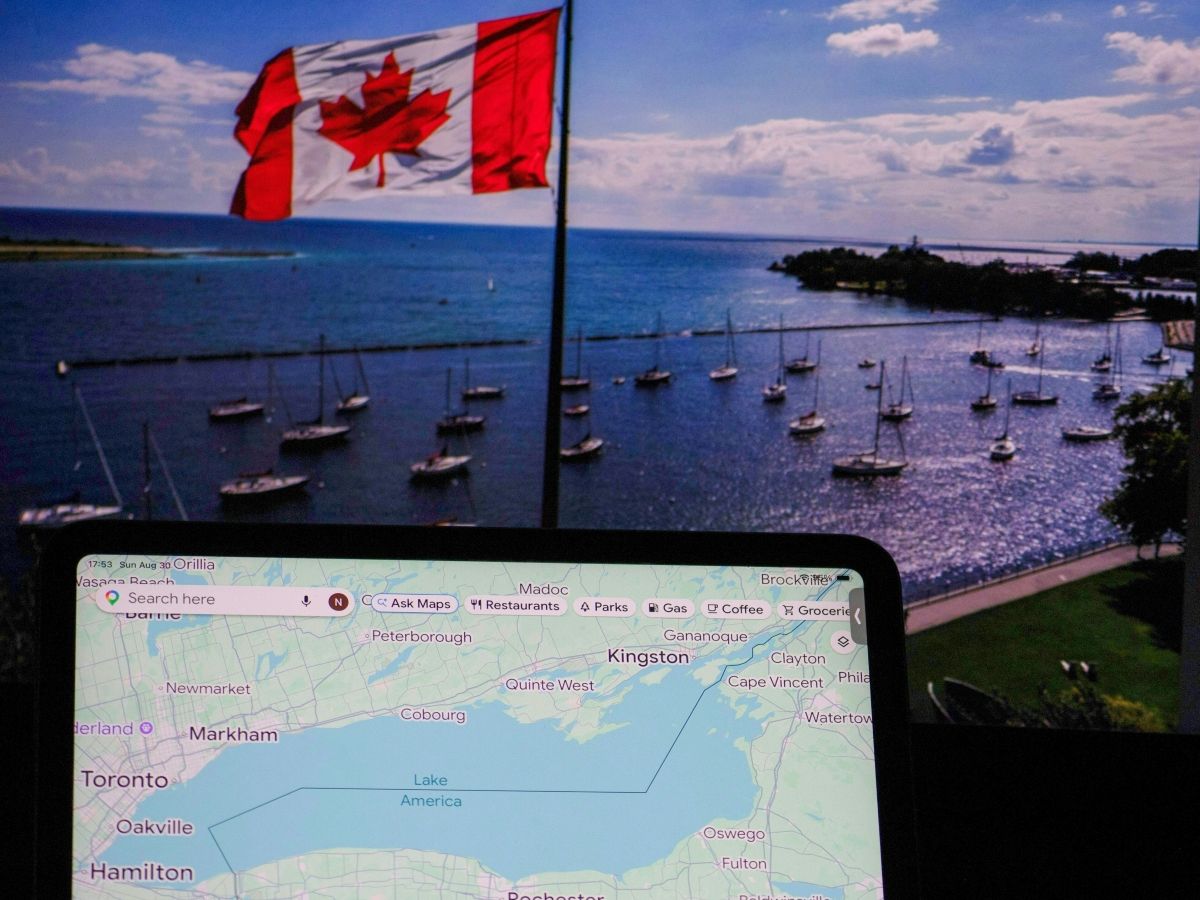
Over the weekend, Ontario Premier Doug Ford stood in front of a sign declaring Lake Ontario “Now and Always.” Within about a day, however, Hydro One, Metrolinx, Infrastructure Ontario and the LCBO had all labelled the body of water as “Lake America” on their own websites. So did Loblaws.
Sign In or Create an Account
or View more offersArticle content
No Canadian official decided that. Nobody was lobbied, and nothing was conceded. The Ontario government had bought a mapping service, and the mapping service changed the lake’s name.
Article content
Recommended Videos
We apologize, but this video has failed to load.Try refreshing your browser, or
tap here to see other videos from our team.We apologize, but this video has failed to load.Try refreshing your browser, or
tap here to see other videos from our team.Article content
Story continues below
This advertisement has not loaded yet, but your article continues below.
Article content
Here is how this came to be. President Donald Trump signed an executive order claiming the United States holds most of the volume of Lake Ontario and bears responsibility for its security, economic activity and environmental stewardship; the order renames the lake to “Lake America.” The U.S. Geographic Names Information Service made the change on the American register. Google resolves place names from official government registers, so Google Maps followed. Ontario’s agencies draw their maps straight from Google, so their websites followed, too.
Article contentArticle content
Metrolinx fixed it by switching the map off.
Article content
Sit with that. A provincial transit agency’s only available remedy, on a service it pays for, was to stop using the service. Hydro One said the problem originates with a third-party mapping service and that it is working with its vendor. That word is exactly right, and it is most of the story.
Article content
The name of a lake is the least of it. The same pipe that carried “Lake America” onto a Hydro One outage map carries boundaries, jurisdictions, municipal limits and service areas onto the screens of utilities, transit systems, insurers and retailers across this country; whoever supplies the register supplies all of it.
Article content
Story continues below
This advertisement has not loaded yet, but your article continues below.
Article content
The map that mislabelled a lake on a quiet weekend is the same map a utility runs during an ice storm, when an outage layer is how crews and customers find each other. Metrolinx could switch a station map off on a Sunday. Hydro One cannot switch off its outage map in January. A dependency you escape only by shutting the service down is not one you can afford in an emergency.
Article content
Any board would ask management what happens if a vendor changes something in the middle of a crisis. Crown agencies should answer this question long before such a storm hits.
Article content
None of this is novel. When the Gulf of Mexico became the Gulf of America, Google made the change within days, Apple the following day, Microsoft after that. MapQuest did not, and nothing happened to MapQuest. Compliance was a commercial choice, not a legal duty.
Article content
Now, the part that should sting: Canada has kept its own register of official place names since 1897, through what is currently named the Geographical Names Board of Canada. Natural Resources Canada maintains the database, roughly 350,000 approved names, published as open data and refreshed weekly. It is free. It contains Lake Ontario.