
Advertisement
September 10, 2026 — 5:00am
You have reached your maximum number of saved items.
Remove items from your saved list to add more.
If it looks like a wedge and quacks like a wedge, it’s probably a wedge.
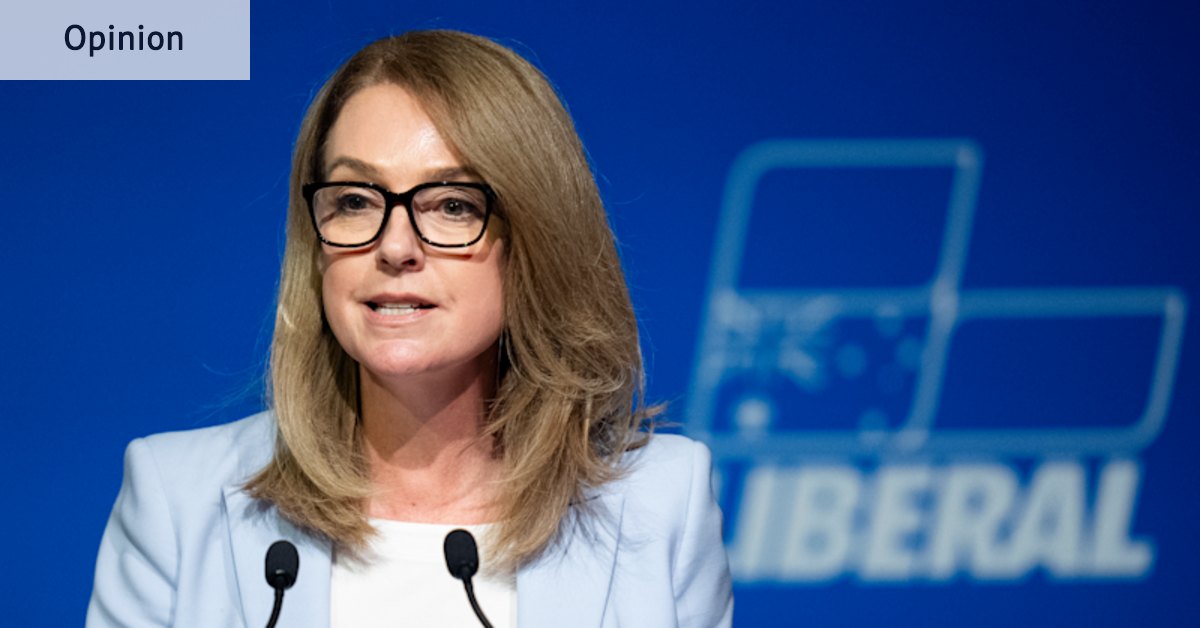
Labor’s announcement on Tuesday that it will rezone land to build high-rise towers as tall as 34 storeys under a plan to construct 9400 new homes in Woollahra and Edgecliff in the eastern suburbs is a golden opportunity for the premier, Chris Minns, and a major headache for Liberal leader Kellie Sloane.
Woollahra has the potential to refocus the Labor’s messaging around housing. In late 2023, when Labor was first establishing housing supply as its raison d’être in government, it focused far more on the need to rebalance new housing supply from greenfield sites in the west into the north shore and eastern suburbs.
In November of that year, NSW Treasurer Daniel Mookhey gave a speech in which he highlighted Woollahra and two other eastern suburbs councils – Randwick and Waverley – as laggards on new housing supply. Those three LGAs had added about 7000 new dwellings over a decade, while Blacktown added five times that number. The decision to axe the Greater Cities Commission and fold it back into the NSW Department of Planning was partly about giving the government greater control of housing targets, which it felt were too low in the city’s east.
Advertisement
Since then, that emphasis, at least in terms of the government’s public communication, has gotten a bit lost. The aborted attempt to convert Rosehill Racecourse into a “mini-city” of 25,000 homes, and the general spread of new housing proposals across greater Sydney have dimmed it as a rallying cry. So too has the slow and tedious pace of change. The government has removed planning hurdles but labour shortages and commercial viability remain ongoing obstacles, meaning it has spent just as much time defending accusations it hasn’t built enough homes as it has making the case for more.
Woollahra puts the government back on steadier footing. A key plank of Labor’s housing message has been to utilise – or weaponise – the NIMBY versus YIMBY dichotomy which now dominates the housing debate.
The NIMBY label – “not in my backyard”, as opposed to YIMBY, “yes in my backyard” – has proven to be useful for Labor, allowing it to subtly dismiss concern about some of its controversial planning reforms such as the low-to-mid rise reforms and the Housing Delivery Authority.
As part of that, local councils have been firmly positioned as impediments to creating enough housing supply, the NIMBY bad guys, and Labor will be salivating at the prospect of a council-led campaign against the rezoning after criticism from Woollahra’s local Mayor, Sarah Dixson, of the proposal.
Advertisement
Nothing galvanises the western suburbs – and distracts voters from issues such as the mounting pressure on the health system, and the gang violence leading to innocent deaths on Sydney’s streets – quite like the complaints of eastern toffs.
For Sloane, it’s a potentially lose-lose situation.
As the MP for Vaucluse, she already faced the disadvantage of representing an electorate which screams privilege but now, with the rezoning right in her own backyard, so to speak, she needs to appeal to a statewide electorate which will largely welcome one of its wealthiest pockets copping increased density, and her own local voters who will demand she fight against it. On Nine News on Tuesday night, one Woollahra voter declared the area would be transformed into a suburb of wind tunnels and unhappy people.
The Liberals in opposition have been walking a delicate line on housing. Planning spokesman Chris Rath is part of a younger generation of MPs who want to position the Liberals as the pro-housing party. Rath didn’t bite on Woollahra, instead criticising Labor over the $15,000 levy it will charge developers for each unit built in the rezoned land to help fund a new train station.
But it’s by no means a consensus position, and the past three-and-a-bit years are littered with examples of Liberal MPs coming out against new housing in their electorates. Only last month one of the party’s upper house MPs, Rachel Merton, opposed state-significant housing developments in an opinion piece in the Daily Telegraph.
Advertisement
It’s a difficult position for the party. In coming out against the rezoning, people such as Dixson are articulating the opinion of the areas they represent. But the terms of the housing debate are such that it risks making the party look out of touch with the ever-growing segment of the electorate concerned about the cost of housing.
In pure policy terms, Woollahra makes sense. The collapse of Bathla puts in stark relief the difficulties facing the construction sector, and building density in locations where buyers will pay a premium is one way to avoid those pitfalls. But it also exactly the conversation Labor wants to be having.
Asked this week whether the prospect of wedging Sloane on the issue was a pleasant byproduct of the Woollahra brouhaha, the premier played a predictably straight bat. The rezoning was announced before she became opposition leader, he noted. But Sloane was already being touted as a future Liberal Party leader when the rezoning was announced last August, something the government was keenly aware of.
However, he also laid the groundwork for a shot at the Liberal leader if she decides to come out against the rezoning, pointing out that the Liberals had not come out against large rezonings in places such as Burwood and Westmead.
Advertisement
“I don’t remember her knocking those plans,” he said.
“I think that the Liberal Party has been generally supportive of major developments in western Sydney, and I just think there’s got to be some equity in terms of where these new dwellings go.”
Michael McGowan is The Sydney Morning Herald’s state political editor.
Get a weekly wrap of views that will challenge, champion and inform your own. Sign up for our Opinion newsletter.
You have reached your maximum number of saved items.
Remove items from your saved list to add more.
More:
Michael McGowan is state political editor for The Sydney Morning Herald.Connect via email.AdvertisementAdvertisement