
Article content
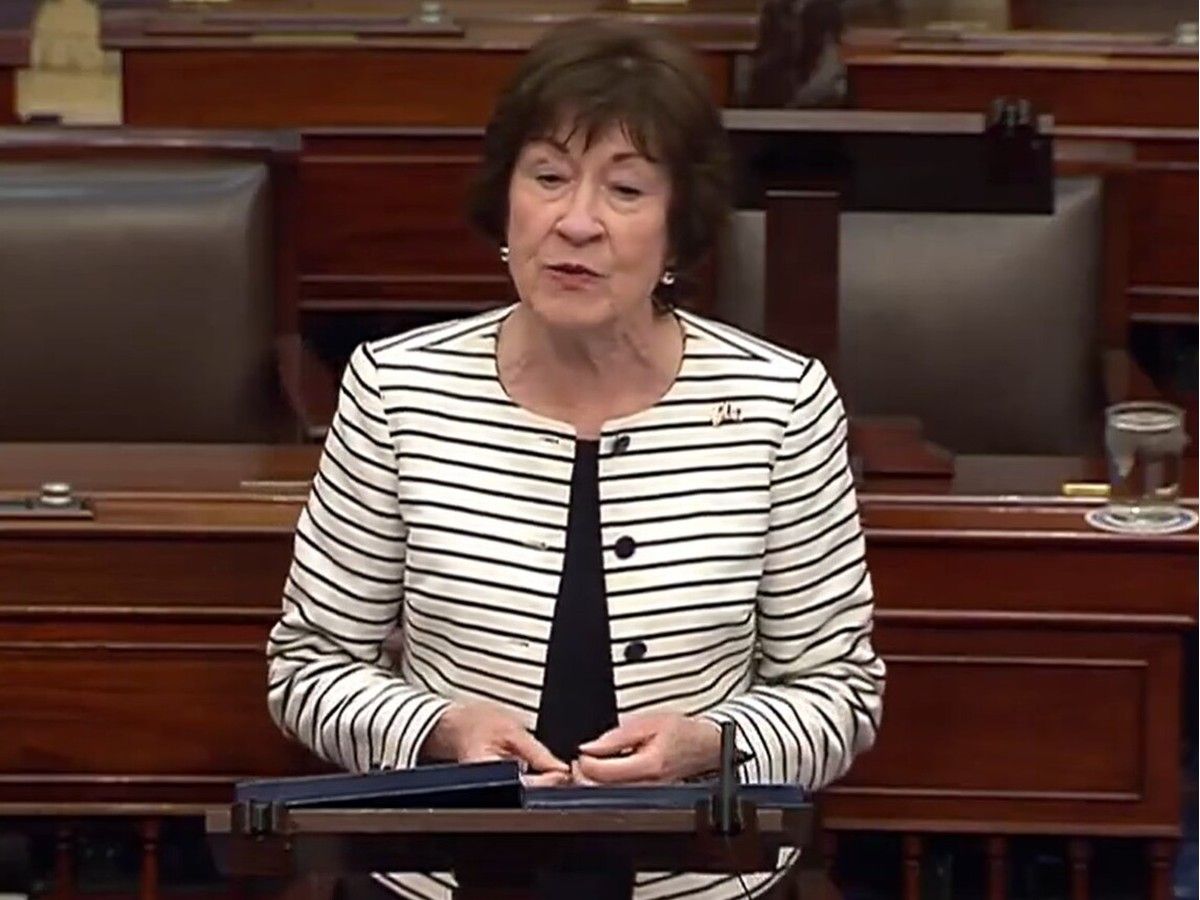
The Trump administration has announced that Canadian road salt and cement will be removed from import tariffs as of Sept. 15., earning the gratitude of Maine’s Republican senator, Susan Collins.
Sign In or Create an Account
or View more offersArticle content
U.S. communities that share the border with Canada rely heavily on Canadian rock salt to keep winter roads safe, according to Maine TV news station WABI.
Article contentArticle content
Collins, a five-term incumbent, says exempting those two items was something she lobbied for, reports the news outlet.
Article content
Story continues below
This advertisement has not loaded yet, but your article continues below.
Article content
“I appreciate the Administration’s announcement that it will exempt road salt and cement from U.S. tariffs. In my communication with (U.S. Trade Representative Jamison) Greer and (Commerce Secretary Howard) Lutnick, I focused on road salt and cement as two products crucial to Maine that would be severely affected by these tariffs,” she said.
Article contentArticle content
Collins explained that Frenchville, a small Maine town on the Canadian border, would incur U.S.$10,000 in extra costs for road salt. And one Maine cement company owner would pay U.S.$150,000 each month because of the tariff.
Article content
The Trump administration agreed to swap Canadian rock salt and cement for new duties on all-terrain vehicles, certain cheeses, and motorboats, reports WABI.
Article content
Meanwhile, in an August 27 statement, Collins expressed her appreciation for Canada’s decision to remove seafood and fish products from its retaliatory tariff list. “These tariffs would have caused tremendous harm to Maine’s lobstermen, disrupting one of their most important markets during the fall fishing season,” she said.
Article content
She also advocated for improved trade relations with Canada, based on the two countries’ historic ties: “Canada is not China. Canada is one of our closest allies and largest trading partners. Our economies are inextricably linked, especially in the border regions. Continuing with these tariffs will harm Maine families, small businesses, municipalities, manufacturers, and farmers.”
Article content
Story continues below
This advertisement has not loaded yet, but your article continues below.
Article content
This past weekend in an interview with Politico, Collins said the White House doesn’t understand how the trade war with Canada is affecting Maine.
Article contentRead More
- A Republican senator could be one of the first political victims of Trump’s tariff war
- Carney rejects U.S. claim that Canadian politics ended trade talks
- Story continues belowThis advertisement has not loaded yet, but your article continues below.
Article content
“I think the administration has very much underestimated the impact on Maine families, on small manufacturers, on our agricultural products,” Collins said in an interview. “And that’s what I’m trying my best to educate them about. They look at this issue as a macro issue. And in fact, the micro impact on a state like Maine is considerable.”
Article content
Collins has been an ongoing critic of the tariffs on Canada, reports Politico, noting that she had spoken on the Senate floor about the close economic relationship between Maine and Canada ahead of a symbolic vote against earlier tariffs last year. And she, with other Maine Republicans, was quick to push back on Trump’s decision to impose 50 percent tariffs on Canada in July.
Article content
Canada is Maine’s largest trade and investment partner, according to the Maine International Trade Center (MITC), a public-private partnership between the state government and private sector. Roughly 40 percent of all Maine’s goods exports go to Canada, MITC estimates. That includes agricultural goods and pulp and paper, but these businesses are expecting a severe drop in demand.