
This section is The content in this section is supplied by GlobeNewswire for the purposes of distributing press releases on behalf of its clients. Postmedia has not reviewed the content. by GlobeNewswire Article content
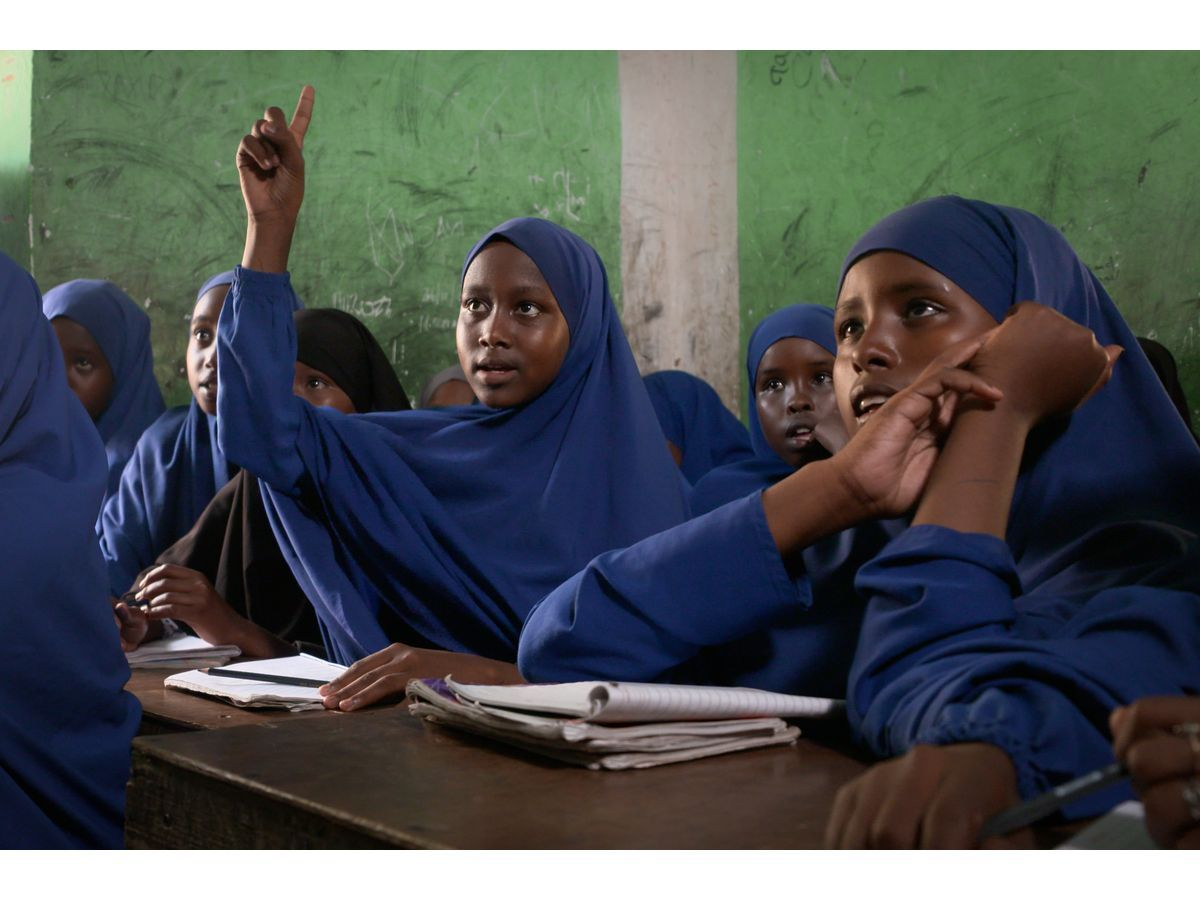
MOGADISHU, Somalia, Sept. 09, 2026 (GLOBE NEWSWIRE) — As students across Somalia begin a new school year, more than 15,725 previously out-of-school Somali girls are now enrolled in classrooms through a comprehensive program funded by the Global Partnership for Education (GPE) and implemented by the Somali education authorities and CARE Somalia.
Sign In or Create an Account
or View more offersArticle content
Through scholarships, school funding and community support, the program is helping girls affected by conflict, displacement and climate shocks overcome the barriers that have kept them out of school. Beyond supporting individual students, the program is strengthening Somalia’s education system through investments in schools, infrastructure and community engagement, expanding access for girls facing the greatest obstacles to learning. This includes the construction of 15 new girls’ schools which are set to be operational at the beginning of this new school year.
Article contentWe apologize, but this video has failed to load.Try refreshing your browser, or
tap here to see other videos from our team.Article content
Story continues below
This advertisement has not loaded yet, but your article continues below.
Article content
As part of these efforts, 8,285 girls affected by conflict, displacement, drought and poverty have been enrolled through scholarships that cover school tuition fees and essential learning materials, helping families overcome one of the greatest financial barriers to education. The program aims to reach 10,000 girls through scholarships by its completion.
Article contentArticle content
“Without GPE support, there are many remote areas we simply could not reach. It is the single largest educational support initiative in Somalia today,” says Abdinasir Serar Mah, Jubaland State Minister of Education.
Article content
For many Somali families, school fees remain prohibitively expensive, particularly during times of crisis. When resources are scarce, girls are often the first to miss out on education. Girls who are out of school are also at greater risk of child marriage and other forms of vulnerability. The challenge is especially acute for girls from nomadic communities, minority groups and families displaced by conflict or climate-related disasters.
Article content
The scholarships are conditional upon maintaining at least 90% attendance, helping ensure that girls not only return to school but remain enrolled throughout ongoing economic and environmental shocks. The Ministry of Education and CARE help verify attendance and learning conditions quarterly and ensure the learning conditions remain satisfactory.
Article content
Story continues below
This advertisement has not loaded yet, but your article continues below.
Article content
Among girls benefiting is 12-year-old Layla, whose family was forced to flee their pastoral village of Caanoole after years of drought devastated their livestock. Displaced to the coastal city of Kismayo, Layla’s family struggled to meet their basic needs, making school an impossible expense.
Article content
Today, thanks to a GPE-funded scholarship, Layla has returned to school. “My dream is to become a university professor so I can teach others, uplift my community and contribute to my country,”
Layla says.
Article content
For girls like Layla, the scholarship is not only opening the classroom door—it is giving them the opportunity to continue their education despite conflict, displacement and climate shocks.
Article content
Somalia continues to face one of the world’s most challenging education environments. Nationally, only 40.4% of primary school-aged children are enrolled, with access particularly limited in rural and nomadic communities. Among nomadic children, only 4% of girls attend school. Against this backdrop, the GPE-supported program is helping thousands of the country’s most marginalized girls return to learning.