
Advertisement
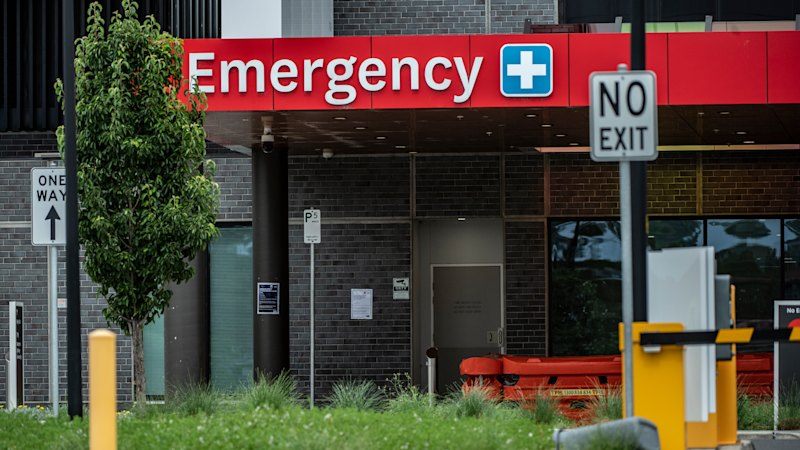
One in 10 patients across NSW now spend 25½ hours in the emergency department waiting for a bed on the ward, while almost 9 per cent give up and leave without completing treatment.
NSW has not met any of its access targets for emergency wait times, which stipulate that at least 80 per cent of patients should be admitted or transferred to another hospital within six hours, according to Bureau of Health Information data published on Wednesday.
About 31 per cent of patients met this target in April to June 2026, while at 30 hospitals, one in 10 patients waited more than 24 hours. At Blacktown Hospital, the slowest 10 per cent waited almost 43½ hours, a 13-hour jump from the same quarter last year.
Some patients left the emergency department without completing treatment; 10.8 per cent walked out of some of the biggest hospitals in NSW, known as principal referral hospitals.
Advertisement
Of the 66,300 patients with incomplete visits, 36.7 per cent were triage category 3, which the department defines as urgent, serious presentations that are potentially life-threatening.
Excluding hospitals in Hunter New England, which have incomplete data, Fairfield recorded the highest percentage of incomplete visits in the state, as more than one in six patients (17.5 per cent) left the ED without finishing treatment. This was followed by Sutherland (17.2 per cent).
Australian Medical Association NSW president Dr Fred Betros said the figures indicated hospitals were unable to offer patients the care they needed.
“Some people will be OK but there will be some people who are putting themselves at risk by having to leave the hospital,” he said.
Advertisement
Health Minister Ryan Park pointed to the 1027 patients “stranded” in NSW hospitals who were medically ready for discharge but unable to leave while awaiting Commonwealth-funded aged care or NDIS placements. This count of “bed block” patients grew from 750 people last year, a rise of almost 37 per cent, and is predicted to reach almost 1700 in 2027.
“This is putting an enormous strain on our state’s hospital system,” Park said on Friday after a national health ministers’ meeting, equating it to two large Sydney hospitals being taken offline every morning.
A federal government spokesperson said in a statement it had made record investments in the residential aged care and home care system.
“During hospital funding negotiations the states told us older long-stay patients was the biggest issue when it came to the hospital system,” the spokesperson said. “In response, our government proposed a ring-fenced $2 billion for aged care services as part of the agreement, but states and territories rejected that offer, instead choosing to direct that funding into their hospital systems.”
Advertisement
Across NSW the average length of stay for non-acute episodes has steadily risen. In April to June 2026, non-acute patients stayed about 20 days, two days longer than the same period last year.
A spike in non-acute stays at Blacktown may partly explain the lengthy emergency waits, as ward beds become unavailable for long periods. Non-acute patients stayed at Blacktown for an average of 24.4 days last quarter, up from 15.4 days in 2025.
“It would make a real difference, getting those non-acute patients out of those beds,” Betros said. “One bed-block patient may stop the treatment for more than five people over the course of weeks or months … it has a huge flow-on effect.”
Western Sydney Local Health District, which is responsible for Blacktown Hospital, said in a statement that people with less urgent conditions would experience longer wait times when there were large numbers of seriously unwell patients being prioritised for emergency care.
Advertisement
NSW Health said that despite demand, the majority of patients in NSW – 68.7 per cent – started their treatment on time, up 2.6 percentage points compared with the same time last year.
NSW also recorded significant improvements in surgery wait times. In 2022, 18,748 people who were ready for surgery had waited longer than clinically recommended. This quarter that figure dropped to 697 people.
Same-day surgeries increased across NSW, a key priority of the government and the department. Where clinically appropriate, for these procedures patients arrive, have their procedure and complete their discharge on the same day, avoiding unnecessary hospitalisation.
Across the state, 85.6 per cent of elective surgeries were performed on time, up 8.8 percentage points compared with the same quarter a year earlier.
Advertisement
NSW Ambulance also showed positive results despite a surge in demand. It logged the highest number of responses on record in April to June, yet the agency’s efficiency remained relatively stable and improved in some areas.
About 65 per cent of life-threatening category 1 calls received a response within 10 minutes, an improvement of 1.7 percentage points compared with the same time last year.
Start the day with a summary of the day’s most important and interesting stories, analysis and insights. Sign up for our Morning Edition newsletter.
You have reached your maximum number of saved items.
Remove items from your saved list to add more.
More:
Rachel Rasker is the health reporter at The Sydney Morning Herald.Connect via email.AdvertisementAdvertisement