
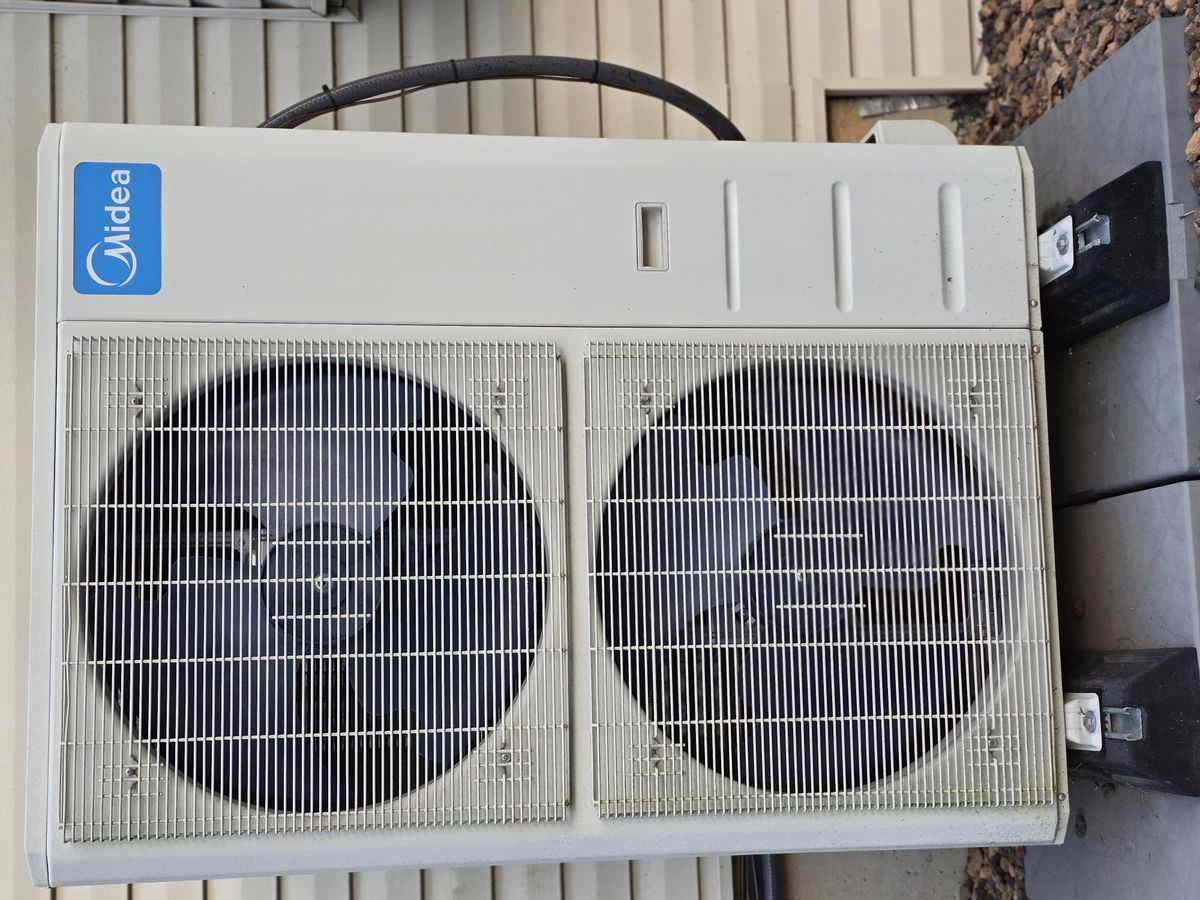
This section is The content in this section is supplied by GlobeNewswire for the purposes of distributing press releases on behalf of its clients. Postmedia has not reviewed the content. by GlobeNewswire Article content
Modern cold-climate heat pump technology makes it easier for homeowners to upgrade aging HVAC systems while balancing comfort, efficiency and cost
Sign In or Create an Account
or View more offersArticle contentArticle contentWe apologize, but this video has failed to load.Try refreshing your browser, or
tap here to see other videos from our team.Article contentArticle contentArticle content
LOUISVILLE, Ky., Sept. 08, 2026 (GLOBE NEWSWIRE) — As many Canadian homeowners begin planning for winter and replacing aging heating equipment, they have more choices than ever before. Modern inverter-driven cold-climate heat pumps and dual-fuel systems provide flexible solutions that can improve comfort, enhance energy efficiency and help manage long-term operating costs—without forcing homeowners to choose between a furnace or a heat pump.
Article content
Story continues below
This advertisement has not loaded yet, but your article continues below.
Article content
Midea, one of the world’s largest manufacturers of home appliances and HVAC solutions, is encouraging Canadians to evaluate their heating equipment before temperatures fall. Late summer and early fall provide time to test an aging system, consult a qualified contractor and compare available replacement options before heating demand increases.
Article contentArticle content
“Many homeowners do not begin thinking about their heating system until it stops working, often during the first stretch of cold weather,” said David Rames, Senior Specialist – Product Promotion & Development at Midea Residential Air Conditioning. “Planning ahead gives homeowners more time to understand how today’s technology works, review available financial programs and find an Easy Upgrade solution that fits their home.”
Article content
Replacing a Heating System Is No Longer an Either-Or Decision
Article content
Homeowners frequently assume that upgrading to a heat pump requires them to abandon their existing gas heating infrastructure. Dual-fuel systems provide a more flexible path.
Article content
A dual-fuel configuration pairs an electric heat pump with a compatible gas furnace. The heat pump can provide heating during much of the season, while the furnace remains available as a secondary source based on outdoor conditions, equipment settings and homeowner preferences. The concept resembles the role hybrid vehicles have played in the automotive market. Rather than requiring consumers to move directly from a conventional vehicle to a fully electric model, hybrids combine electric technology with a familiar backup. Dual-fuel heating gives homeowners a similar middle ground and a new way to think about replacing aging equipment.
Article content
Story continues below
This advertisement has not loaded yet, but your article continues below.
Article content
“A dual-fuel system can provide the comfort and variable-speed operation of a modern heat pump while retaining access to a gas furnace,” Rames said. “For many Canadians, that can make the upgrade feel more practical and less disruptive.”
Article content
Midea’s EVOX family of inverter heat pumps includes configurations that support dual-fuel applications. Midea’s A-coil can integrate with compatible gas furnaces and traditional 24-volt controls, helping contractors work within existing home heating infrastructure instead of requiring a complete system overhaul. Midea positions this compatibility as part of its Easy Upgrade approach, which focuses on reducing structural and electrical barriers during HVAC replacement projects while helping homeowners balance comfort, efficiency and cost.
Article content
Modern Heat Pumps Are Engineered for Cold Climates
Article content
Some Canadians still associate heat pumps with antiquated equipment that lost heating capacity as temperatures declined. Today’s systems use inverter-driven compressors and advanced refrigerant-cycle controls to maintain output across a wider range of conditions.