
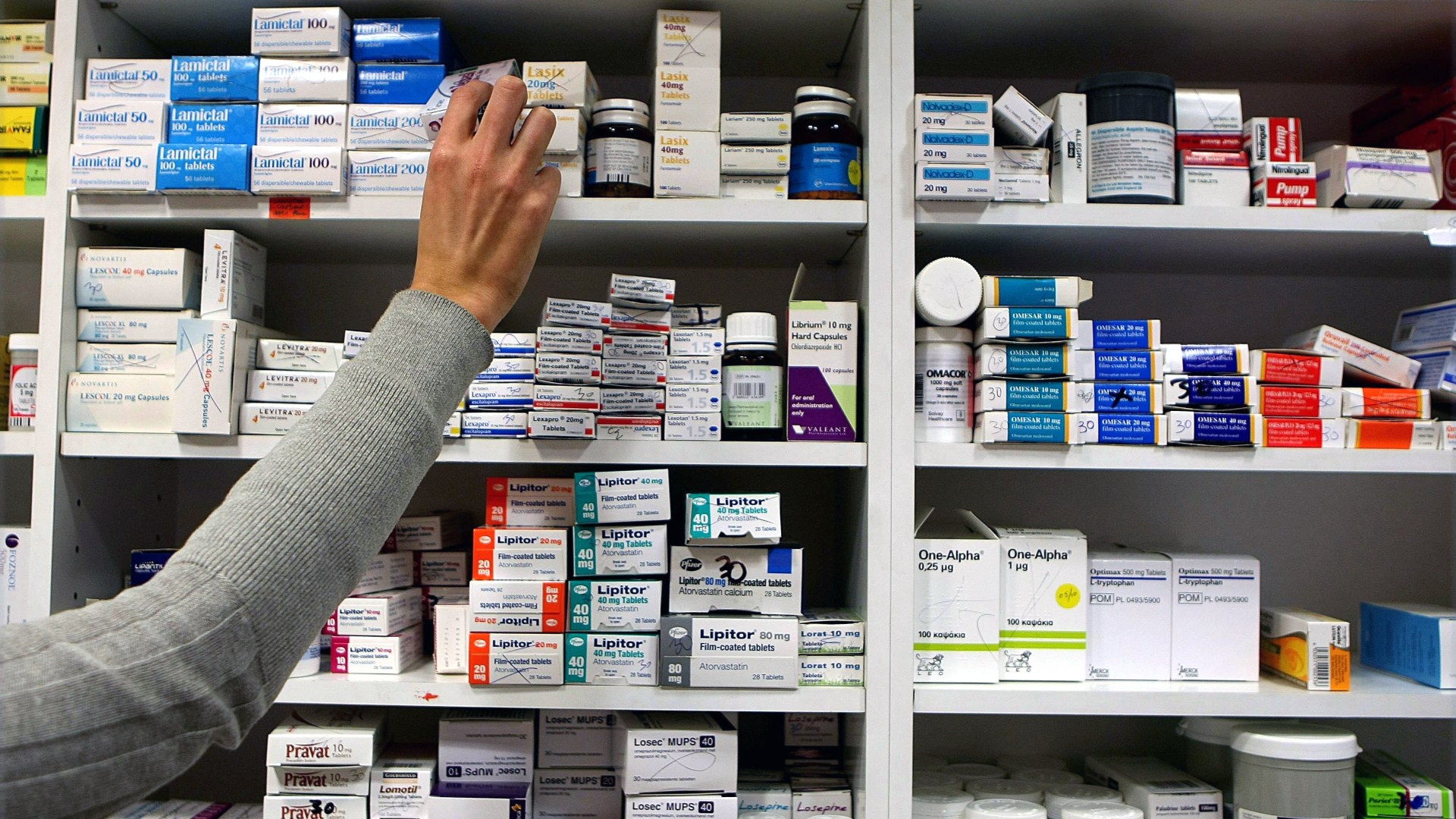
PHARMACISTS have been told to continue rationing supplies of life-saving blood pressure medication amid a major shortage.
The Government has issued a serious shortage notice for multiple doses of the drug ramipril, warning that patients can only get one month’s supply of the capsules at a time.
The medication, which can be taken as tablets, capsules or as a liquid, is prescribed to hundreds of thousands of people across the UK every year.
Last year, it was ranked in the top five most dispensed drugs by pharmacies in England, NHS data shows after it was dishes out more than 35 million times.
The medication works by widening the blood vessels and making it easier for the heart to pump blood around the body.
A serious shortage notice for ramipril 1.25mg capsules has already been in place since April.
READ MORE ON DRUGS SHORTAGES
SHORT CHANGED
The 8 meds in shortage until 2027 or ‘indefinitely’ including heart drugs
CRISIS
NHS drug warning as 2 new meds used by millions face shortage – are you affected?
But now, it has been extended to three extra doses, including 2.5mg, 5mg and 10mg capsules.
All are in “limited supply” until the end of October, the Department of Health and Social Care (DHSC), said.
“Ramipril 1.25mg, 2.5mg, 5mg and 10mg tablets remain available but cannot support uplift in demand,” it added.
Alternative blood pressure medication including ACE inhibitors and ARBs (Angiotensin II receptor blockers) remain available.
Most read in Health
TAKE NOTE
The 5 little-known signs of blood cancer as BBC star reveals incurable diagnosis
SLEIGHING IT
Lose 2st by Christmas with our 3/3/3 plan – no fat jabs or calorie counting
MUM’S WARNING
Girl, 3, died from a hidden heart condition… docs think a COLD triggered it
BRAIN DRAIN
Dementia could be ‘REVERSED’ as surgery ‘flushes out toxic proteins’ from brain
However, “routine switching is not recommended as usage is significantly lower than that of ramipril, so could risk compromising other supply chains”, the DHSC also said.
It comes as drug shortages in the UK have already reached a record high this year, with pharmacists warning the situation was “deeply alarming”.
Health leaders have repeatedly warned that medicines shortages pose a “serious risk to patient safety”.
At least eight different medications are expected to be in short supply until at least January 2027.
According to the National Pharmacy Association, pharmacists are spending hours sourcing scarce medication while GPs are having to alter prescriptions to fit in with supply issues, inconveniencing and often worrying patients.
Separately, the Govenrment’s price concessions list currently features a staggering 230 medications, as of the end of August 2026.
The price concessions list is an indicator that a drug may be nearing short supply.
High blood pressure or hypertension, as it is known medically, affects a third of adults and dramatically raises the risk of heart attacks, strokes, kidney failure and even dementia.
Because it causes no symptoms, many go undiagnosed until serious damage is done. Yet caught early, these outcomes are preventable.
An estimated 14 million UK adults now live with high blood pressure – a figure that’s steadily rising.
RECOMMENDED STORIES
Despite the widespread belief that hypertension is an old-age problem, doctors are increasingly treating younger generations.
NHS data shows a quarter of young adults with hypertension aren’t getting it under control, compared with one in seven older patients.
How to lower blood pressure
Persistent high blood pressure – known as hypertension – puts extra strain on your blood vessels, heart and other organs and it can raise your risk of serious conditions like heart disease, heart attacks and stroke. Here’s how to reduce it.
Reduce salt
Adults are recommended to limit their salt to 6g per day (around one level teaspoon) to avoid health consequences including high blood pressure.
The top tip is to swap out table salt, according to the Salt Substitute and Stroke Study, replacing it with a reduced sodium and added potassium alternative.
Cut down on alcohol
Excessive boozing can narrow the blood vessels, which raises the risk of hypertension.
Official drinking guidelines advise that people should not regularly drink more than 14 units a week to keep health risks from alcohol low.
Get moving
Exercise is good for the heart and the blood vessels.
Although the guidelines recommend 150 minutes of activity per week, if you’re currently very inactive, just a walk to the shop every day is better than nothing, and you can work up from there.
Studies suggest that isometric exercises – when you hold the body in one position without moving, such as a wall squat or plank – are best for lowering blood pressure.
Stop smoking
Smoking cigarettes is a killer. It makes the arteries sticky and narrow, which can cause blockages.
While smoking is not a direct cause of high blood pressure, it can cause an instant rise to pressure, heart rate and reduce the amount of oxygen that gets to the body’s cells.
Skip coffee
Sadly, caffeine can cause a short, but dramatic increase in your blood pressure – even if you don’t have high blood pressure.
Therefore cutting back on coffee is recommended as a lifestyle tip for those with hypertension.
Lose weight
The above tips can help you to lose weight, which is beneficial because being overweight in itself is a risk factor for hypertension.
Being overweight forces your heart to work harder to pump blood around your body, which can raise your blood pressure.
The only way of knowing whether you have high blood pressure is to have a blood pressure test. All adults over 40 years old are advised to have their blood pressure checked at least every five years.