The homelessness crisis is placing unprecedented pressure on frontline services, with a sharp rise in families seeking help, according to Depaul.
Last year, the homeless charity supported 8,204 people across 44 services, including 2,574 children. The number of families accessing its services rose by 28% to 1,456, up from 1,138 the previous year.
Five babies were born to mothers living in Depaul’s emergency services last year, which the charity said illustrates “the harsh reality” of infants beginning their lives in temporary hostel accommodation.
Depaul’s 2025 Impact Report has warned that greater investment in homelessness prevention, permanent housing and mental health and addiction services are urgently needed.
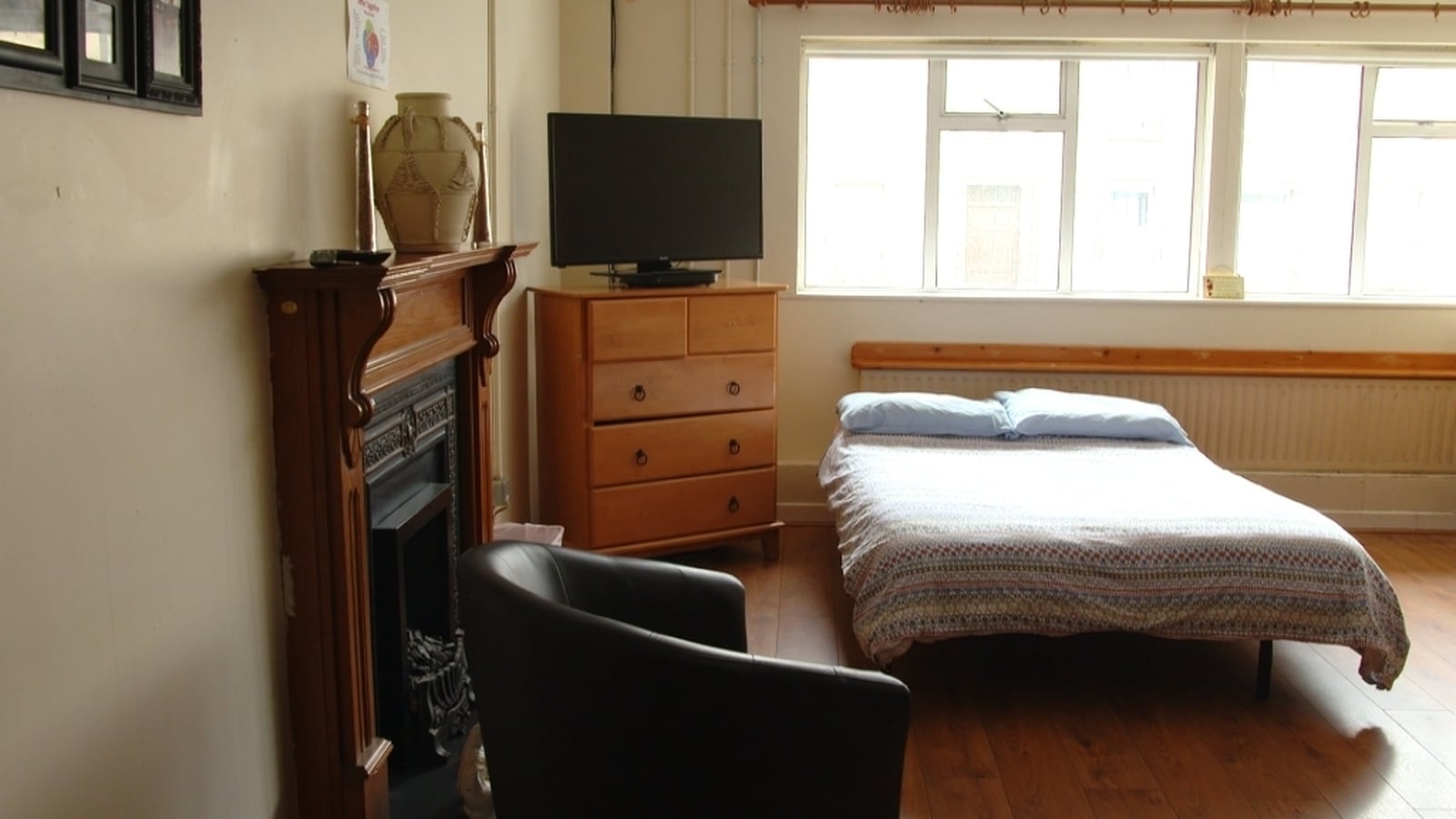
There are nine families currently on the waiting list for Depaul’s Rendu family apartments, and there is no slowdown in referrals.
Deputy manager Sharon Lysaght has noticed a shift in the profile of families entering homelessness, which are larger.
Asked why she thinks this is happening, she pointed to the high rents and the cost of living.
“You have people trying to feed their kids, electricity bills have gone up, school fees, creche fees, all this stuff has gone up,” she said.
“And with the bigger family comes that bigger cost and people just can’t pay what they are being asked to pay.
“Unfortunately, through no fault of that family, they’re being placed in a position where they need to look for accommodation and that’s the reality of where I see where the issue is at the minute.”
Depaul has said all of this reinforces the need for earlier intervention to prevent families and individuals from reaching a crisis, and entering homelessness, as well as a clearer pathway from temporary accommodation into permanent housing.
While the charity delivered significant results last year in moving people out of emergency accommodation and into long-term homes (it helped 914 households and 1,452 individuals move out of homelessness), it has pointed to the ongoing housing crisis and the cost-of-living crisis as putting “unprecedented pressure” on frontline services.
Read more:
‘It was crazy’: Family left homeless after HAP tenancy fell through
CEO David Carroll warned against society sleepwalking into accepting homelessness figures as the new normal.
“We need to intervene earlier to prevent homelessness, reduce reliance on temporary accommodation and ensure people have a clear pathway into permanent housing. Strong communities result in less homelessness,” he said.
“To truly end homelessness, we must combine increased housing supply with the mental health, addiction and community supports people need to build stable lives and become part of thriving communities.”
Across its 44 services, Depaul supported more than 8,200 people, but it has warned of an ever-growing demand from families and a sharp rise in mental health concerns.
In 2025, 1,361 service users reported mental health concerns or support needs, nearly double the previous year.
Frontline teams responded to 273 incidents of suicidal ideation and 129 incidents of self-harm.
Depaul launched its dedicated Mindset Programme to provide direct therapeutic interventions, group work, and recovery planning in an effort to address the issue.
Depaul also expanded its Housing First programme, supporting 169 people in Dublin and Meath to move into permanent accommodation, while its housing unit increased active tenancies from 51 to 87 households.
It has urged the Government to take action in Budget 2027 by increasing investment in social and affordable housing, funding a homelessness prevention framework as well as mental health and addiction supports.
The charity is also calling for sustainable solutions to the accommodation crisis affecting people seeking international protection, further development of Housing First tenancies and greater investment in the homelessness workforce.