
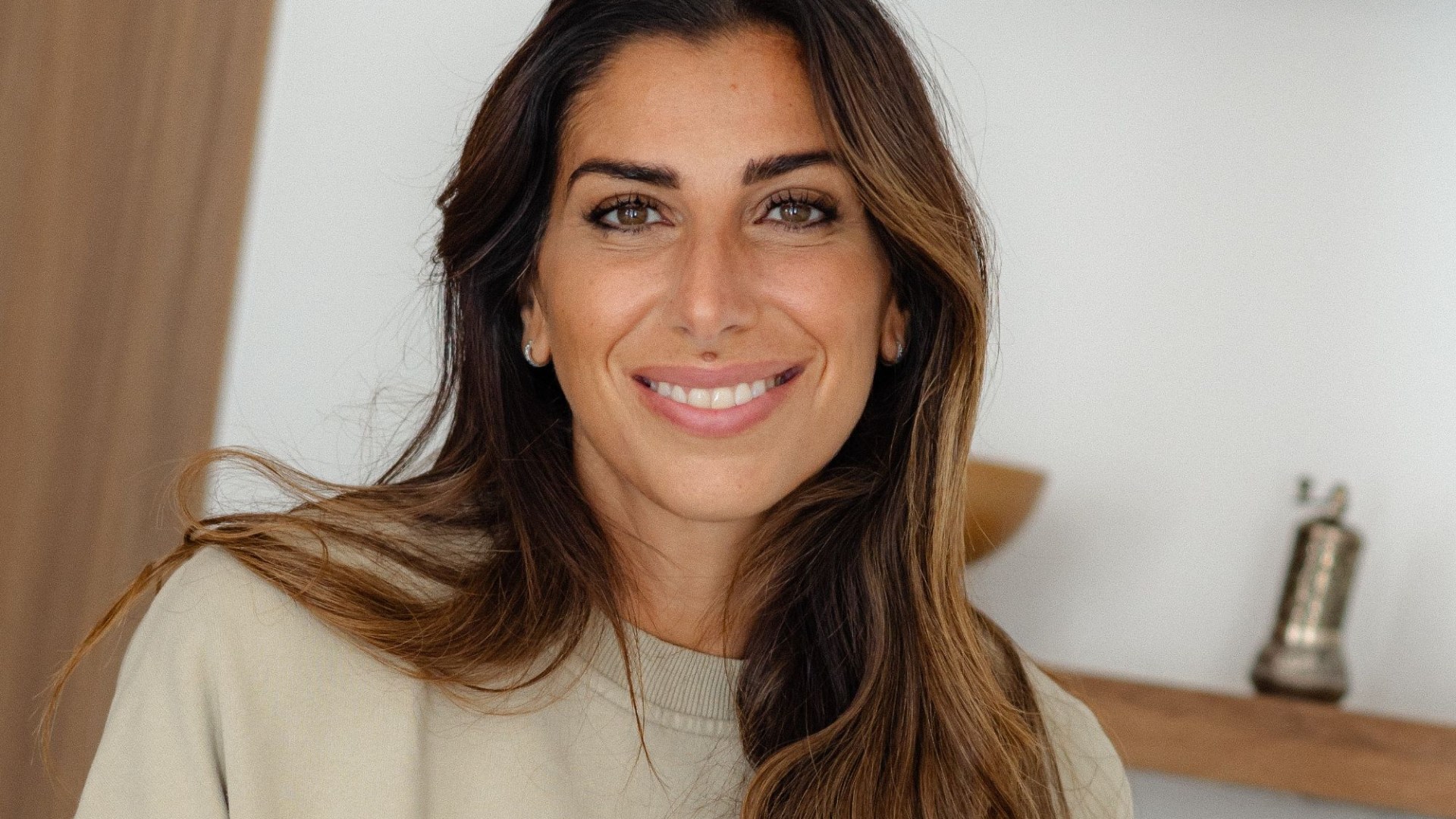
RACHAEL Sacerdoti had lost count of all the diets she’d tried since she was a teenager. But her weight hit a new level after the birth of her three children.
Over the years she’d tried overhauling her diet with the hope this time would be successful. But it was only after a family holiday to Bali in 2017 when the penny dropped.
7
7
Rachael says her weight started to creep up when she was 15 years old.
She tells Sun Health: “The first thing that entered my head was: ‘I just need to stop eating,’ rather than: ‘How do I eat better?’
“Growing up, there were always soft drinks and chocolate mousse in the house. Food made me happy, especially comfort food like toast with Nutella or pancakes with lots of maple syrup.”
Rachael spent decades believing eating less was the answer to losing weight. Working in fashion PR in New York in her 20s, skipping meals “felt like an achievement”.
But when she fell pregnant – after moving to London in 2011 and getting married – it “became an excuse to eat whatever [she] wanted”.
“After my third child was born in 2017, I weighed more than 15st and, at 5ft 5in, was a size 16 – the heaviest I’d ever been,” recalls Rachael, whose children are now 14, 12 and nine.
Her confidence hit rock bottom. “I taped up my thighs because of the extra saggy skin that would hang when I wore shorts, thinking it would make my skin look tighter,” she says.
“I even wore a waist trainer, hoping it would shape my body.
7
7
“I was constantly saying I didn’t feel good. I was embarrassed to go out, and forever buying bigger clothes because nothing fitted. It affects your confidence, intimacy and, ultimately, your marriage.”
During a family holiday to Bali in 2017, her brother noticed her scoff three ice lollies.
“He said: ‘Rach, is everything OK?’ I both loved and hated him for bringing it up, because no one else had,” Rachael recalls.
“Admitting I was struggling made all my defences drop.”
Back home, Rachael ignored the temptation to overhaul her life overnight.
Instead, she committed to making small, realistic changes – using the school run to stick to an exercise schedule and planning snacks to avoid bingeing.
She lost more than 4st in six months. Nine years later, she is 9.5st and a size eight, and feels fitter and healthier than ever – without touching fat jabs.
Here, Rachael, who founded her own health and fitness programme It’s So Simple (@Itssosimple_rs), shares the strategies that changed her life.
School-run hack
Rachael started with a 10-minute walk near her house. Soon, she made it to the local park and gradually built up to walking laps.
Six weeks later, she began using a strength-training app at home.
Using 4kg dumbbells and a mat, she did a 20-minute workout with lunges, planks, shoulder presses and crunches, five or six days a week.
A full-time mum at the time, Rachael then joined a gym six weeks after that and made it non-negotiable to go straight there after school drop-off.
“I’d tell myself: ‘Unless you are ill, you are going to do this. No appointments, no meet-ups with friends instead,’” she says.
“Now, if I don’t do a workout for two or three days, I just jump back on, but it is different in the early days when you are creating new habits. If you start letting excuses creep in, it’s a slippery slope.”
Struggling to find time in the morning?
“If an evening workout is all you can do, do it then, even if it’s just 20 minutes,” she says.
Promises and priorities
7
Rachael knew she needed accountability, so told people what she was doing and why.
“I’d say: ‘Next time you see me, I am going to look different,’ or: ‘I am going to do this or that.’ Then I felt responsible for following through on those things,” she says.
She recommends joining an online group, getting a coach or telling family and friends. This creates accountability, but also helps you stick to boundaries.
“We do everything for everyone – the kids, the partner, the house, the cooking, the work. It’s always everything else before us. So, put those boundaries up by blocking out time, and remind yourself you are not being selfish.”
Protein pick-me-up
Nutrition, rather than exercise, changed Rachael’s body the most. “I cut out processed, sugary foods and paid more attention to when I was eating and how much,” she says.
She also began prioritising protein to build and preserve muscle, stay fuller for longer and reduce mindless snacking, aiming for 120-140g a day (a recommended baseline is around 0.8g for each kg of body weight, or more if you are exercising).
Her previous diet of toast slathered in peanut butter and jam, and burgers and fries, was replaced by protein with every meal – an omelette with sourdough bread and cottage cheese for breakfast, plus a protein coffee (black coffee mixed with 20g protein powder), and grilled chicken, white fish or a tuna burger with quinoa for lunch and dinner.
She recommends planning a fourth lighter meal in the late afternoon, such as Greek yoghurt with berries and cinnamon, to avoid unhealthy grazing.
Treat yourself
7
Rachael built treats into her routine.
“Having a couple of squares of chocolate when I fancy it is far easier to maintain than constant restriction followed by bingeing,” she explains.
This helps to avoid falling off the wagon at the weekend, after being “good” all week.
“You can easily undo all the work you’ve done if you treat the weekend as a free-for-all,” she says.
In the same vein, she tells her clients not to chase the “perfect” weight or size. “There is no perfection, only progress,” she adds.
Have weekly weigh-ins, but be patient.
“The scales barely moved at first, but I kept telling myself: ‘You won’t defy science,’ and after two weeks I began losing around 1kg a week.”
Take progress photos once a week (in underwear or fitted clothes) and put them side by side. “You’ll see changes even if the scales don’t budge,” says Rachael.
“This really spurred me on.”
Muscle mummy
7
Now, Rachael trains four or five times a week, with sessions lasting 30-35 minutes, and says: “If I could have women focus on one thing, it would be strength training.”
“From our mid-30s, women naturally begin to lose muscle (around 1-2% annually), increasing the risk of falls, fractures and frailty later in life.”
She recommends following a structured programme at the gym or online that gradually increases the challenge, whether that’s lifting heavier weights or slowing movements to keep muscles under tension.
Increase your daily steps, too – going from 4,000 to 6,000 a day makes a difference.
The long game
Since Rachael started her fitness journey, weight-loss injections have boomed.
She believes GLP-1 medication can be life-changing – but it’s not a magic bullet.
“Try to understand why you’re struggling to shape up, instead of reaching for a quick fix,” she says.
She also warns that rapid weight and muscle loss from the drugs can also reduce your metabolism, making it easier to regain weight once the medication stops.
“Learning how to eat well, exercise and build sustainable habits gives you skills that will last long after any diet or medication ends.”