
Article content
Canadians are bracing themselves for tough times ahead but can be grateful to Donald Trump for at least uniting them in feeling immense pride in this country.
Sign In or Create an Account
or View more offersArticle content
A new Postmedia Leger poll reveals that most Canadians are resilient and stoic in the face of a tariff war they expect will raise the cost of living.
Article content
Recommended Videos
We apologize, but this video has failed to load.Try refreshing your browser, or
tap here to see other videos from our team.We apologize, but this video has failed to load.Try refreshing your browser, or
tap here to see other videos from our team.Article content
And while 41 per cent of Canadians now see the United States as an enemy that is almost certainly down to the buffoonish behaviour of the U.S. president.
Article content
Story continues below
This advertisement has not loaded yet, but your article continues below.
Article content
Trump isn’t winning any Canadian friends by renaming Lake Ontario to Lake America, belittling our leaders by calling them “nasty,” musing about making us the 51st state and imposing punishing tariffs.
Article contentArticle content
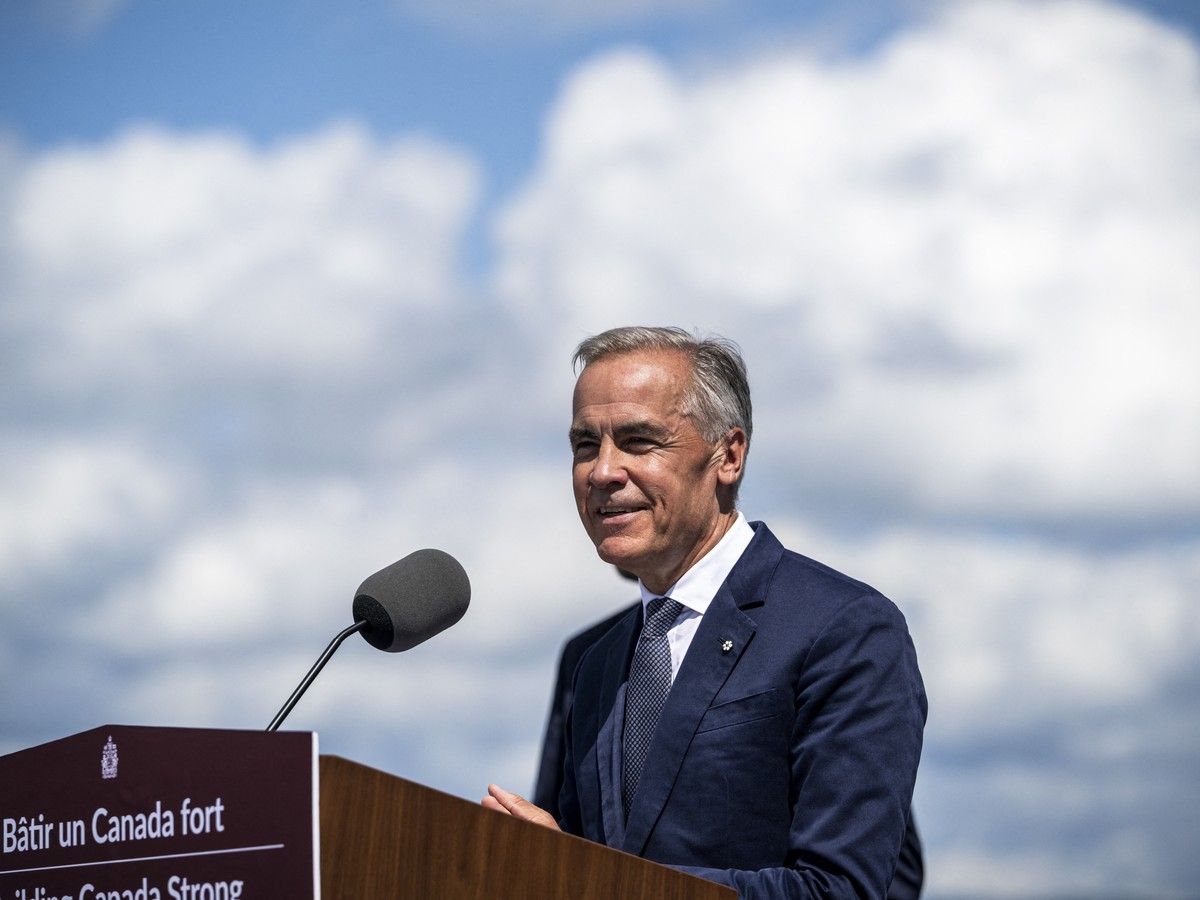
Of course, the villain in the White House is the perfect foil for Prime Minister Mark Carney who has wasted no opportunity to stoke the fire of patriotism. The prime minister senses the mood of the nation and is using it successfully for his political ends.
Article content
Carney talking tough and telling Canadians that we are stronger together and “we make our own weather” is what people want to hear: battle cries are needed in a war, after all.
Article content
But all this bluster is drowning out the real fears and worries of ordinary Canadians.
Article content
The new poll by Leger is on the Canada-U.S. Trade War but interestingly it finds the top issue facing Canadians is “inflation and the rising cost of items” with 35 per cent of people being concerned. “Trump, tariffs and U.S. aggression” comes in second at 24 per cent. Health care and housing affordability round out the top four slots.
Article content
The trade war is soaking up a lot of oxygen and attention, but even amidst this hullabaloo it is clear Canadians are still extremely focused on — and worried about — buying groceries and paying the rent.
Article content
Story continues below
This advertisement has not loaded yet, but your article continues below.
Article content
What the poll also reveals is that there is a generational divide over the issues at play.
Article contentRead More
- Michael Higgins: And just like that, the French language is protected …
- Michael Higgins: Trade war was never about sovereignty
- Story continues belowThis advertisement has not loaded yet, but your article continues below.
Article content
Inflation is the primary concern in the age categories of 18-34 and 35-54. But for those over 55 it is Trump and his tariffs that are the main issue.
Article content
The younger age groups are also the ones who expect to be hurt financially from the tariffs. In the 18-34 group, almost three-quarters of people believe the tariffs will have an impact on their finances. That drops to 66 per cent of people aged 35-54 and to just over half of the 55 plus age group.
Article content
The younger cohorts are also more concerned about losing their jobs in the next 12 months and more likely to believe Canada is currently in a recession.
Article content
But across the board most people are resigned to the fact that the new tariffs will affect consumer prices. What is remarkable is that even though Canadians know they face rising costs, and that retaliatory tariffs will increase the cost of living, three out of four people support them.
Article content
Such an attitude is a testament to the fortitude of Canadians and reflective of their resilience.
Article content
Along with that grit comes pride. A total of 83 per cent report they are proud to be Canadian with a similar figure found right across the country and across all age groups falling only to 77 per cent in the 18-34 group.