
Article content
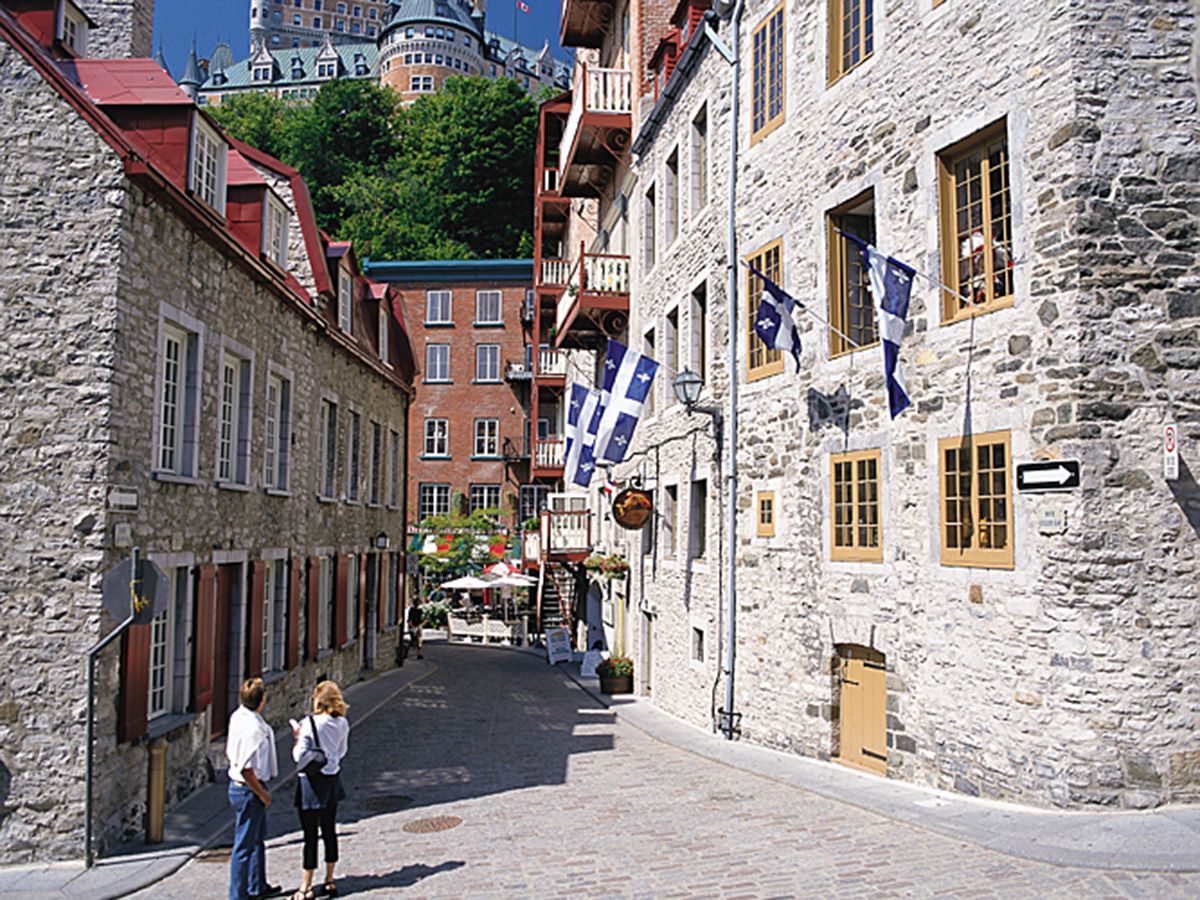
A new survey on public safety perception in Canada’s urban centres finds that Quebec City has the strongest net perceived safety score in the country, while Winnipeg has the weakest.
Sign In or Create an Account
or View more offersArticle content
But the survey, updating a previous version of the study conducted almost a decade ago, also recorded a big change in several large municipalities. Edmonton, Vancouver and Toronto were all perceived as much less safe than they were in 2017. Those cities are clustered at the bottom of the list, along with last-place Winnipeg.
Article contentArticle content
Story continues below
This advertisement has not loaded yet, but your article continues below.
Article content
The survey, conducted by Liaison Strategies, asked respondents whether they consider each city very safe, somewhat safe, somewhat unsafe, very unsafe, or whether they did not know enough to say. They were also asked what most shapes their impression of city safety, including news coverage, personal experience, stories from friends or family, social media, crime statistics or a city’s general reputation.
Article contentArticle content
“Net safety” is the percentage who say a city is very or somewhat safe minus those who say it is somewhat or very unsafe. By that measurement, Quebec City leads the 15 cities tested with a score of 57, followed by Ottawa at 56 and Charlottetown at 51.
Article content
Five of the cities ended up with a negative score. Saskatoon had a net safety rating of -5 followed by Edmonton and Vancouver, both at -8, then Toronto at -18 and finally Winnipeg at -28.
Article contentArticle content
The firm found that Quebec City has changed the most since it did a similar study in 2017, rising from 7 to 57. Edmonton and Vancouver, meanwhile have moved sharply in the other direction, each falling from positive net scores in 2017 to -8 today.
Article content
Story continues below
This advertisement has not loaded yet, but your article continues below.
Article content
Toronto and Winnipeg were the bottom of the list in both surveys, but their numbers also fell. Toronto had a score of -12 in the first survey and -18 in this one, while Winnipeg dropped from -18 to its current score of -28.
Article contentRead More
- Third suspect charged in Vaughan, Toronto synagogue shootings
- Videos show man with megaphone claiming Jews use ‘black magic’ in Toronto neighbourhood
- Story continues belowThis advertisement has not loaded yet, but your article continues below.
Article content
“We brought this study back because city safety has a long memory” David Valentin, Principal at Liaison Strategies, said in releasing the data. “Quebec City now leads on net safety, Ottawa remains very strong, and Winnipeg and Toronto remain at the bottom.”
Article content
“Winnipeg is the clearest safety concern,” Valentin added. “It ranks last on perceived safety, with only 31 per cent saying it is safe and 59 per cent saying it is unsafe. It also has the highest official Crime Severity Index among the cities tested, so in Winnipeg the perception problem and the official data are pointing in the same direction.”
Article content
The Crime Severity Index, developed by Statistics Canada in 2009, is a summary measure of the volume and severity of police-reported crime in a given area.
Article content
“Toronto is different,” said Valentin. “Toronto is perceived as almost as unsafe as Winnipeg, but the official crime-severity data does not put Toronto in the same category. That is why Toronto stands out as the clearest reputational penalty in the report.”