
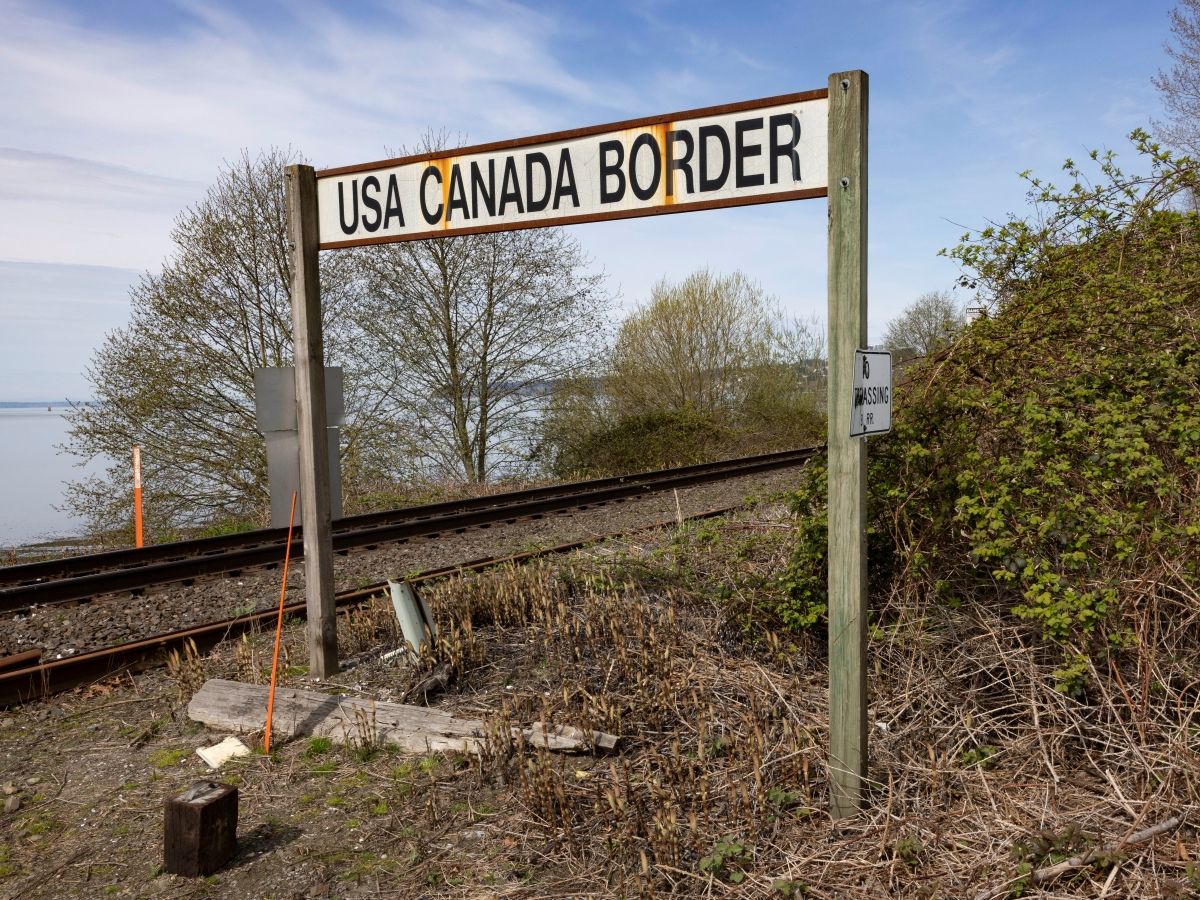
Article content
Helping migrants come to Canada for the purpose of making asylum claims is little different from running a tour operation in the area around the border, says Canada’s immigration board. It’s yet another entry on the long list of ways in which people can exploit our system with impunity.
Sign In or Create an Account
or View more offersArticle content
The matter was decided by the Immigration and Refugee Board of Canada back in March, but was only published online days ago. A “foreign national” named Kevin Franklin — most likely an American, seeing that is where he was working from, though his country isn’t identified — found himself before the tribunal because Public Safety Canada had declared him inadmissible on the grounds that he was believed to be a human smuggler.
Article content
Recommended Videos
We apologize, but this video has failed to load.Try refreshing your browser, or
tap here to see other videos from our team.We apologize, but this video has failed to load.Try refreshing your browser, or
tap here to see other videos from our team.Article content
Story continues below
This advertisement has not loaded yet, but your article continues below.
Article content
Franklin, for his part, admitted to “having transported individuals near the Canadian border on three occasions,” but denied that he facilitated their movement across the border. He also denied that he was in a criminal organization.
Article contentArticle content
The first of the three occasions took place in July 2025. Franklin drove a woman who paid him US$425 (C$590) to a location only a few metres away from the Canadian border, where she crossed on foot. She later claimed asylum.
Article content
The second involved Franklin driving a man he described as a friend — but who knows — to Plattsburgh, N.Y., which is near the Canadian border. The friend found his way to Canada and claimed asylum.
Article content
In a third instance, the “phone number of an individual who exchanged messages with Mr. Franklin regarding transportation was found to match the phone number of a person who later made a refugee claim at the Canadian border.”
Article content
All of these individuals became instantly entitled to Canada’s free health-care program for asylum seekers — which includes free mobility aids, free counselling, free optometry, and many other freebies denied to regular citizens — the moment they completed the necessary forms. They also became eligible to receive the numerous other benefits that come with being an asylum seeker: free lodging in hotels, the ability to spawn Canadian children who will be entitled to a lifetime of free school, legal aid, and so on. And they’ll take up capacity that would have otherwise gone to Canadians for as long as they’re here.
Article content
Story continues below
This advertisement has not loaded yet, but your article continues below.
Article content
Franklin was just one agent in the operation. There were others involved, including his wife, his friend whom he drove to the border, and another man who was involved in arranging transportation.
Article content
Per the tribunal decision, all of these individuals “co-ordinated logistics, set prices, planned routes, shared information, referred clients to one another, and assumed responsibilities when others were unavailable and/or received payment.”
Article content
“This level of coordination reflects both structure and continuity,” continued the tribunal. “The transports were not isolated events, but rather formed part of a recurring pattern of conduct carried out by Mr. Franklin and his associates.”
Article content
But none of this was illegal, said the tribunal. The operation amounted to “facilitating travel within the United States”; dropping someone off just before the border was fine, but taking them to the other side would have been a problem.
Article content
The tribunal adjudicator didn’t even consider the people who paid to be transported to the border to be illegal entrants because they went to an official port of entry to make their asylum claims: “Seeking entry in this manner is provided for under Canadian law and is not an illegal act.” Notwithstanding the Safe Third Country Agreement, which requires supposed refugees to claim asylum in the first safe country they arrive in. I.e., the United States.