
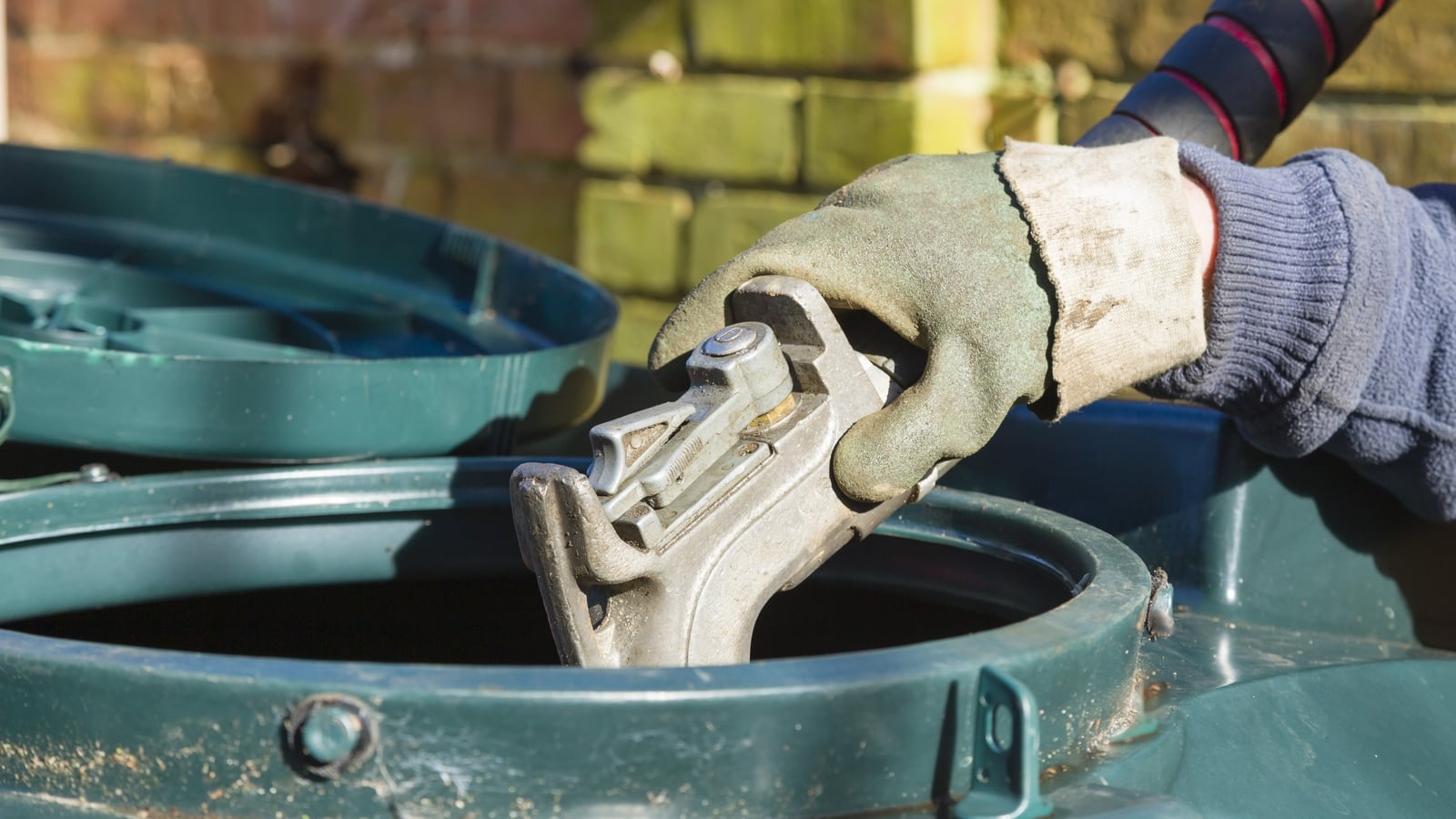
The cost of a standard size of a household tank of oil has increased by 59% when compared to September of last year, due to the disruption of global oil supply with the ongoing war in Iran.
The war, which began with US-Israeli strikes at the end of February, is in its seventh month and has heavily impacted the oil market.
Ahead of the Winter months, many households have already begun putting in orders for home heating oil, or shopping around to get the best prices, however the war is presenting a challenge for consumers.
On average across the country, to fill 1,000 litres of oil, the standard size of a household oil tank, will cost €1,443.88, as of this morning.
The same 1,000 litres of oil in September 2025 (on average that month), would have cost €909.24. That is a 59% increase year-on-year – or in real terms – it costs €534.64 more to fill the tank this year, than it did last year.
Kevin McPartland, CEO of Fuels for Ireland, said that the war has affected the supply of kerosene more than any other fuel.
“Much more than diesel or petrol, and there’s an interesting reason for that,” he said on RTÉ’s Morning Ireland programme.
“If you think historically, when refineries were being built in western Europe, they were designed to maximise the amount of petrol they produced.
“The ones in eastern Europe maximised the amount of diesel they could produce, which is why diesel was particularly affected when the sanctions came in after the invasion of Ukraine.
“But in the Middle East, the refineries were built to maximise the amount of aviation fuel that they produce.
“The kerosene that we use in our home heating oil is exactly the same fuel that goes into jet engines. We’re the only country in Europe that uses kerosene for its home heating oil.
“That’s why kerosene has been particularly badly impacted by the war in the Middle East.”
We need your consent to load this rte-player contentWe use rte-player to manage extra content that can set cookies on your device and collect data about your activity. Please review their details and accept them to load the content.Manage Preferences
When asked if the Government’s position of not reducing excise of kerosene is sustainable coming into the winter months, Mr McPartland said: “The Government made its first interventions and policy relating to fuel prices back in March, the Spring, when nobody’s buying home heating oil.
“So, it made a bit of sense to say let’s wait and see how this thing (the war in Iran) pans out before we make any interventions on home heating oil.
“We’re now getting into the colder months. We’re now getting into the period where people start to refill their home heating oil tanks and the difference in price between now and this time last year is huge.
“Some people might be paying twice what they paid the last time they filled their tank of home heating oil.
“So, how sustainable do I feel that is as a policy for Government? 0% sustainable.”
In early March, in the immediate aftermath of the US and Israel striking Iran, Taoiseach Micheál Martin said there was no excuse for oil prices going up.
At the time, he warned against price gouging which led to many believing that oil suppliers and wholesalers were effectively profiteering from the war.
Louise Martin, Director of Sweeney Oil, says that the price of oil is fluctuating every day over the last number of months due to the war.
She said that there have been times when the price rose by 10 cent in a day and then fell back.
“The price of oil changes every day, predominantly determined by world markets,” she said.
“Events out of our control – wars, weather, President Trump putting out a tweet or something like that – all of that has an immediate effect on our business.”
In relation to consumer’s buying patters, Ms Martin says she believes that people are buying less and that they will very much consider the price of oil.
“They will ring up numerous oil businesses and say – what do you think, is the price going to rise?
“We don’t know and we cannot tell them, but definitely, the market seems to be buying less in the hope that the price will come back again.”
In response to the perception that oil suppliers are profiteering, using the war as an excuse to put up prices, Ms Martin refutes the claim.
“Definitely not. We buy oil every day. The oil market will change today and we’ll have that tomorrow,” she said.
“Our stock only holds so much, enough for maybe two or three days. When demand goes exceptionally high, we cannot predict where the price will be. If something happens, like the outbreak of war in Iran for example, we didn’t foresee that the week before, so we didn’t have enough stock in.
“So, there’s definitely no profiteering in here.”